
The piano at the center of “The Well” almost didn’t exist as a physical instrument at all. Chris Ranney’s original take came from a MIDI keyboard and a sampled piano sound, a scratch performance meant to be replaced once he sat down at a real acoustic. But nothing he re-played captured what that first pass had. So the team routed the original MIDI data into a Disklavier-rigged Yamaha C7 grand, letting a machine reanimate Ranney’s performance on real hammers and real strings, then recorded the result with vintage microphones in his Michigan studio. What ended up as the backbone of the track is, technically, a resurrection: a performance from one moment brought back to physical life in another.
That’s also the exact argument the song is making. “The Well” follows a narrator working through the loss of someone essential, someone whose guidance they keep reaching for even while learning to carry on without them. Cousins has said the meaning arrived open-ended for him, open enough to apply to more than one kind of relationship, which is why the lyrics let spiritual love, romantic love, friendship, and a parent’s influence all sit inside the same lines without settling on one. The title comes from the wells dotting old New England homesteads, the kind Cousins grew up around, repurposed here as a metaphor for how family and home keep supplying someone long after they’ve left. “I have drunk of the water from wells I did not dig,” he sings, a line that reads as both personal memory and borrowed scripture, and either reading works because the song was built to hold both.
The arrangement makes the same case a second time. There’s no traditional chorus; the song moves through repeating verses, each pointed at a different piece of the same memory, divided in half by an instrumental bridge. It opens on almost nothing, Ranney’s rolling piano chords under Cousins’ vocal, then keeps adding: synth pads, Dan Wistrom’s pedal steel, Mike Pappas’s bass, background vocals from Linn Holmes, until the final stanza brings in full guitars, drums, and chiming bells. Nothing about that structure resolves. It accumulates, the same way the narrator keeps drawing on a source that was never theirs to build in the first place.
Cousins and his collaborators are working in a different room of a house they’ve built before. Ranney’s keyboards anchored the cosmic sprawl of “Fragments,” and Steve Fallone mastered both records. That song stretched identity out across deep time and borrowed stardust; “The Well” narrows the same question down to one household, one person, one specific loss. Cousins spends his non-musical hours as a working audio engineer and editor, which tracks: this is someone who’d care about the difference between a piano performance and a resurrected one, and who’d choose the resurrection anyway because it sounded more true.
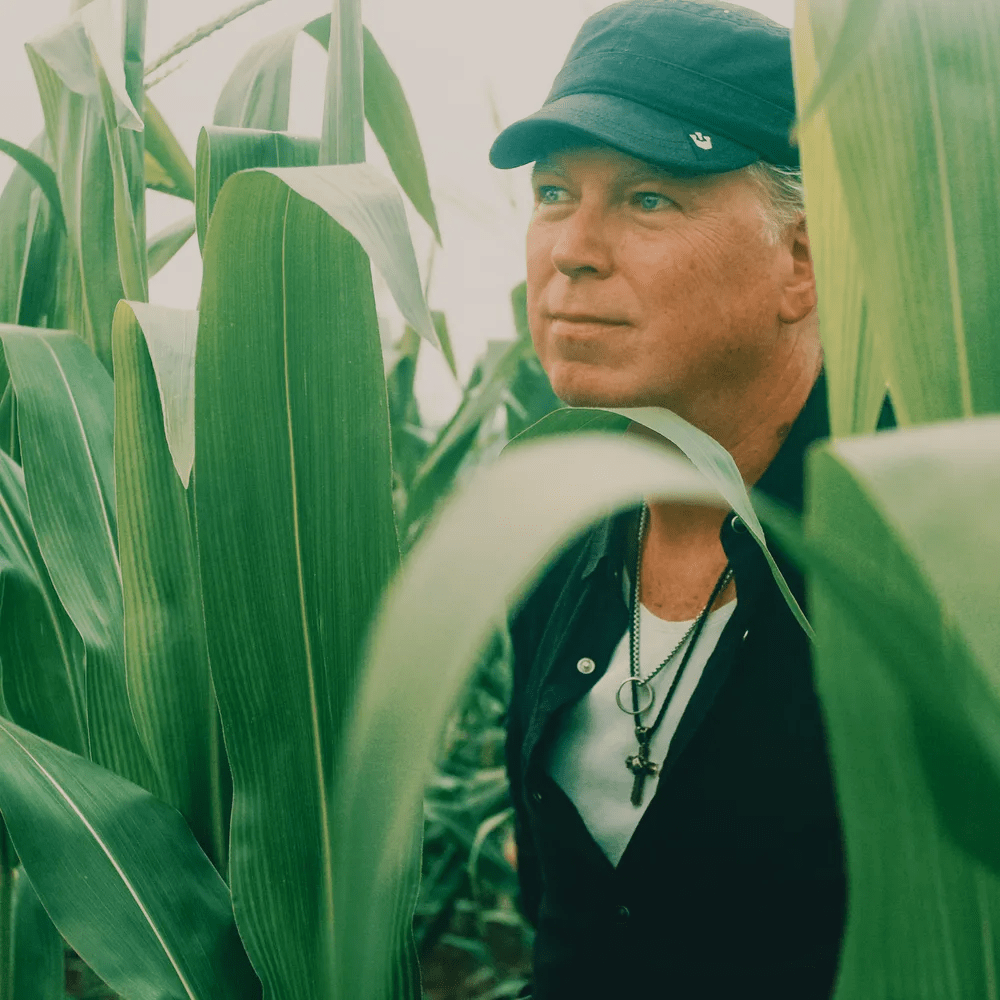
By the closing repetition, the same two words loop until they become a kind of practice. The song never resolves whether its subject is human or divine. It just keeps drinking from the well.


Leave a Reply