
Édith Piaf sang “La Vie en Rose” like a declaration. Ginger Winn sings it like a secret. The stripped-down acoustic arrangement and her airy indie-pop vocal delivery pull the song inward, away from the grand romantic gesture the original inhabits, toward something that feels overheard rather than performed.
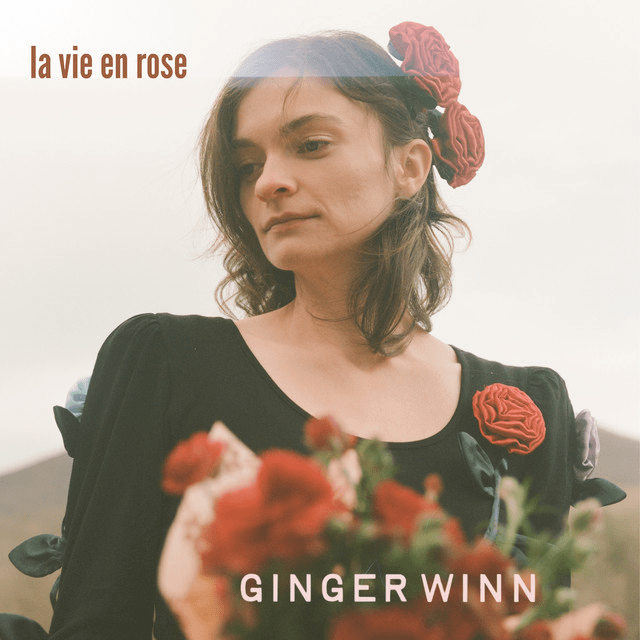
The lyric has always been slight in the best way, a series of sensory impressions rather than a narrative: the magic spell, heaven sighing at a kiss, eyes closing, a world apart where roses bloom. It doesn’t explain the love. It describes what the body does inside it. Winn’s arrangement trusts that quality completely. Without orchestral swell or dramatic delivery to carry the weight, the images have to land on their own, and they do.
The bridge, “everyday words seem to turn into love songs,” is the lyric’s most self-aware moment, and in this setting it resonates differently than in a bigger production. With everything stripped back, the everyday quality of the arrangement makes the transformation it describes feel more plausible. There’s no distance here between the ordinary and the romantic. They’re the same register.
The outro’s ask, “give your heart and soul to me,” closes the song with the same quiet confidence the arrangement establishes at the opening. In Piaf’s hands it’s a command. Here it’s closer to an invitation, which turns out to be all the more persuasive.


Leave a Reply