
Spiritual inquiry meets driving rock craftsmanship on Hilary Cousins’ ambitious new single. “Road To Corinth” demonstrates how ancient wisdom can fuel contemporary artistic expression without resorting to surface-level religious platitudes or commercial spiritual branding. This track succeeds because it treats sacred text as creative catalyst rather than dogmatic endpoint.
The strophic form provides crucial structural foundation for the track’s thematic ambitions. By eschewing traditional verse-chorus construction, Cousins creates continuous narrative flow that mirrors the spiritual journey described in the lyrics. This compositional choice connects him to legendary practitioners like Bob Dylan, Johnny Cash, and Leonard Cohen—artists who understood how form can serve philosophical content. The decision requires confidence; strophic songs demand compelling melody and arrangement to maintain listener engagement without familiar chorus anchor points.

The production approach demonstrates remarkable restraint and intelligence. Beginning with solitary electric guitar riff establishes intimate foundation before carefully orchestrated instrumentation enters. The finger-picked acoustic guitars provide harmonic framework while maintaining organic texture that supports rather than competes with the central narrative. This patient dynamic development creates space for the spiritual meditation to unfold naturally.
The arrangement’s continuous build mirrors the psychological progression Cousins describes—seeking insight in fractured world requires both persistence and escalating commitment. As live drums introduce rhythmic urgency, then percussive electronica loops add contemporary texture, the track maintains forward momentum without abandoning its contemplative core. The intricate counter melodies from guitars and keyboards provide complexity that rewards repeated listening while remaining accessible on first encounter.
Mark Needham and Ben O’Neill’s mixing captures both intimacy and power, creating production that serves the track’s dual nature as personal confession and communal anthem. The mastering by Calbi/Ferrone at Sterling Sound provides appropriate polish without sanitizing the raw spiritual urgency that drives the composition.
The recording process across Brooklyn, New Haven, and Los Angeles reflects artistic commitment that transcends geographic convenience. Paul “Binzer” Brennan’s drumming provides organic foundation that anchors the track’s spiritual searching in physical rhythm, while Tony Ungaro’s bass and guitar contributions demonstrate how collaborative musicianship can serve individual artistic vision.
Lyrically, the track navigates sophisticated territory by borrowing from 1 Corinthians 13 without becoming sermon or academic exercise. The narrator’s encounters with “charlatans, tycoons, and intolerant people” connect biblical themes with contemporary social criticism. This approach demonstrates how spiritual literature can illuminate current circumstances without requiring literal religious interpretation.
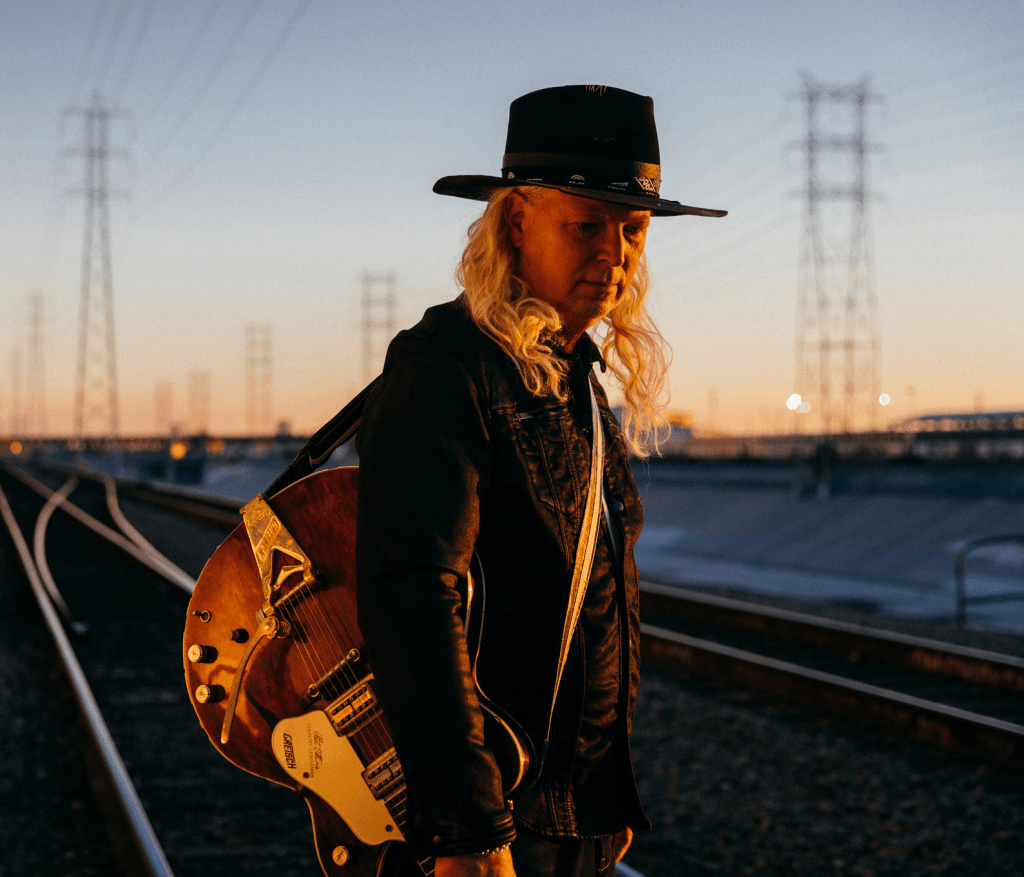
The journey motif creates effective metaphor for choosing value systems based on love and peace rather than false knowledge or material accumulation. This thematic choice resonates particularly strongly given current American social climate, though Cousins avoids heavy-handed political commentary in favor of broader spiritual examination.
The track’s climactic crescendo featuring Cousins’ soaring vocals alongside explosive drum fills and electric guitar feedback feels earned rather than manufactured. The intensity serves the spiritual urgency rather than providing empty cathartic release. This balance demonstrates mature understanding of how dynamic development should serve thematic content.
Cousins’ background in media production and live events provides technical foundation that supports rather than dominates his artistic expression. The track demonstrates how professional skills can enhance rather than compromise creative authenticity when applied with appropriate restraint.
The single positioning reflects strategic thinking about contemporary music consumption while honoring traditional songcraft values. By creating complete artistic statement within single format, Cousins demonstrates confidence in his ability to communicate meaningful content without requiring extended album context.
The international streaming success—75,000 streams over the past year—suggests audience hunger for substantive artistic content that addresses spiritual themes without condescending simplification. Cousins has identified genuine market need while maintaining artistic integrity.
Most importantly, “Road To Corinth” treats spirituality as active process rather than passive consolation. The track’s driving energy mirrors the effort required for genuine spiritual development, avoiding both New Age platitudes and traditional religious comfort. This approach creates space for listeners to engage with serious philosophical questions without feeling manipulated or preached to.
The track establishes Cousins as artist capable of addressing weighty themes through accessible musical frameworks. His ability to balance spiritual inquiry with rock craftsmanship suggests sustained potential for meaningful artistic development. “Road To Corinth” succeeds because it treats both sacred text and contemporary audience with appropriate respect, creating bridge between ancient wisdom and current searching that feels both authentic and necessary.
This single demonstrates how independent artists can address serious philosophical territory while maintaining commercial viability, providing model for substantive artistic expression in contemporary music landscape.
 B-Side Guys
Leave a Reply