
The Teenage Mutant Ninja Turtle carried a bo staff and wore purple, the analytical one, the thinker. Alonzo Johnson named Fox Ears’ second album after him, not as a nostalgia trip but as a statement about multiplicity. Donatello represents one aspect of a whole—wisdom fighting ego, centeredness battling chaos, the version of yourself people think they see, versus who you actually are in that moment. The Cleveland band’s thirty-nine minutes explore these shifting identities through funk, rock, R&B, and soul, never settling into a single perspective or sound. This is music built on adaptability, responding to each moment with intention rather than formula.

Johnson handles vocals, keys, synth, and songwriting across all twelve tracks. The album was recorded through a mixture of home and studio sessions with live instrumentation. Jeff Larch anchors percussion while mixing and mastering, Matt Gorey provides bass and vocals on “Never Wake Up,” Tyler Lobdell contributes guitar, vocals, and lyrics on “40 Winks.” The horn section—Jon Cox on trombone, Jon Griffin on sax, Bob Conner on trumpet—appears on “Don’t Call Me” and “Act Right,” adding punch without overtaking arrangements. Zack AllTheHipe Salmonski guests on “Sometimes.” The collaborative approach serves the album’s theme: identity constructed through interaction, perspective shaped by who’s in the room.
“Money & Time” opens with ninety-seven seconds establishing priorities and tensions. The brevity works—state the premise, move forward. Fox Ears understands pacing, when to develop ideas and when to hit and exit. “Don’t Call Me” brings the horn section immediately, the track building on a funk foundation with enough rock edge to prevent settling into a comfortable groove. The title itself demands boundaries, establishing space between the speaker and whoever keeps calling. Johnson’s vocals carry confidence without aggression, the delivery suggesting someone who knows their worth and won’t negotiate downward.
“An Interlude” provides eighty-two seconds of breath before “Faces” expands into the album’s first extended exploration. At four minutes nineteen seconds, the track has room to develop its examination of external perceptions versus internal reality. The faces we show different people, the masks we wear depending on context—this is the album’s central preoccupation made explicit. The musicianship here demonstrates Fox Ears’ range, moving between polished sections and rawer moments, the shifts mirroring the lyrical content about presenting different selves.
The title track “Donatello” arrives at the album’s center, three minutes and seventeen seconds of Johnson articulating the concept clearly. Sometimes centered, sometimes not. Sometimes the artist, sometimes the chaos. The admission of multiplicity—not as a flaw but as a human reality—gives the album its emotional core. The production balances polish and grit, Larch’s percussion and Gorey’s bass creating a foundation while Johnson’s keys and vocals navigate the space between them. Lobdell’s guitar work adds texture without dominating.
“Sometimes,” featuring AllTheHipe, examines the conditional nature of identity and relationships. The collaboration introduces different vocal perspectives, expanding the album’s scope beyond Johnson’s singular vision. The track leans into R&B influences more heavily than surrounding songs, the genre shift intentional rather than jarring. Fox Ears’ versatility comes from understanding how different sounds serve different emotional territories—when to groove, when to rock, when to pull back entirely.
“The Little Things” and “Rivers” provide the album’s most reflective moments consecutively. “The Little Things” celebrates small details that define relationships and experiences, the specific moments that accumulate into meaning. At four minutes thirteen seconds, Johnson has space to develop this appreciation without rushing. “Rivers” continues the contemplative mood through nearly four minutes of flowing arrangements, the title’s natural metaphor working without forcing symbolic weight. Rivers move forward inevitably, carving paths through obstacles, sometimes gentle and sometimes destructive—another multiplicity that mirrors the album’s central themes.
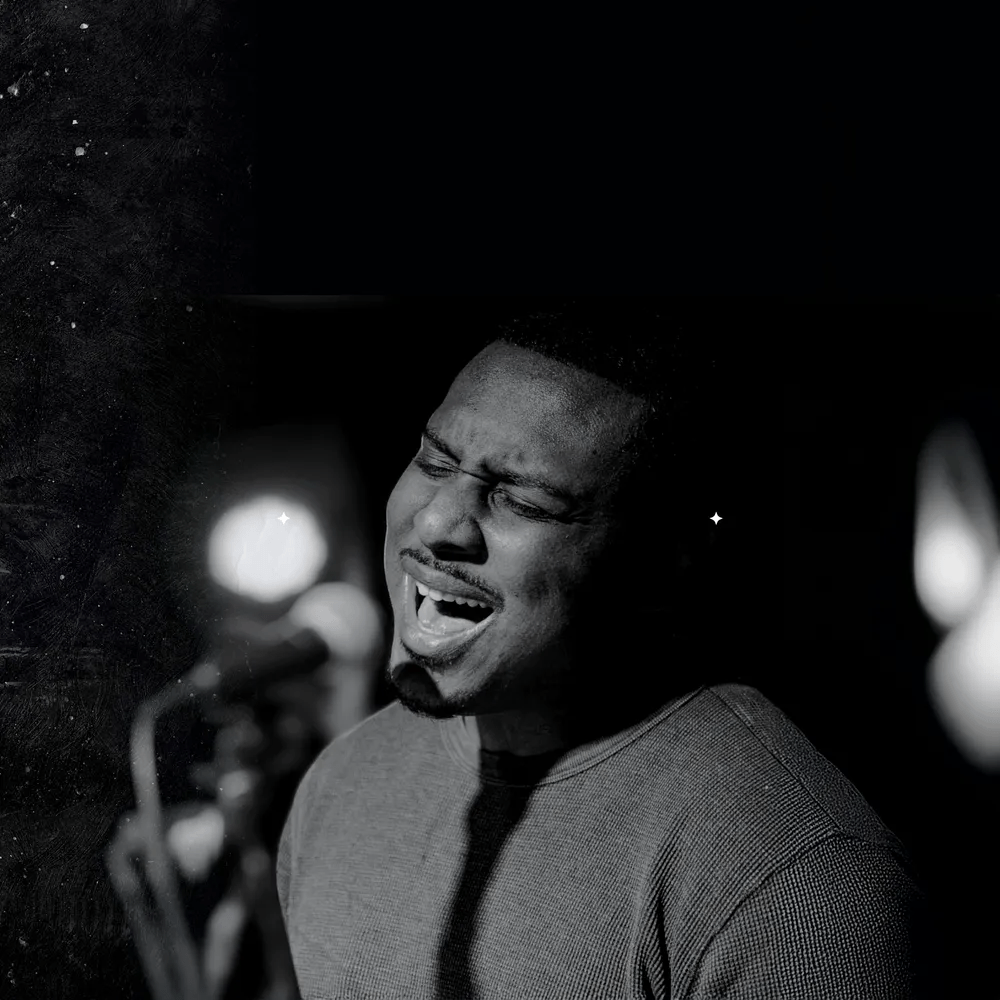
“40 Winks” brings Lobdell’s lyrical contribution and vocal performance, the track examining rest and rejuvenation, or lack thereof. The phrase suggests brief sleep, never quite enough, always temporary. The guitar work here naturally features more prominently, given Lobdell’s dual role. The song maintains the album’s balance between momentum and reflection, acknowledging exhaustion without surrendering to it.
“Act Right” returns the horn section for four minutes thirty-seven seconds of funk-driven expectation setting. The title’s command implies behavioral standards, codes of conduct, and the pressure to conform to others’ expectations of appropriate action. But whose standards? Who defines “right”? The track explores this tension through an arrangement that’s simultaneously tight and loose—structured enough to cohere, free enough to breathe. The horns punctuate without overwhelming, Cox, Griffin, and Conner understanding their role in the larger sonic picture.
“Leo’s Burden” provides a brief transitional moment at two minutes and seven seconds before “Never Wake Up” closes the album with its longest track. Five minutes of Gorey’s bass and vocals alongside Johnson’s production creates a fitting conclusion—the desire to remain in an unconscious state where multiple selves don’t compete, where wisdom and ego don’t battle, where perception doesn’t shift based on the audience. But we do wake up. Identity continues fragmenting, adapting, responding to each room and each person differently.
Fox Ears chose their name deliberately—the animal’s versatility, ability to navigate different environments through adaptability rather than specialization. Donatello embodies this philosophy across twelve tracks that refuse single genre classification or emotional register. Johnson and his collaborators move fluidly between sounds and perspectives, the shifts intentional rather than scattered. The album examines identity, ego, ambition, relationships, excess, and self-reflection without settling into celebration or critique exclusively.
The production quality reflects the home and studio recording mix—polished enough to sound professional, raw enough to maintain a human feel. Larch’s mixing and mastering maintains clarity without sterilizing the performances. Each instrument occupies proper space, horns and keys, and guitar and rhythm section functioning as equals rather than hierarchy.
Donatello works because Fox Ears commits to their premise completely. This is music about multiplicity made by a band that embodies versatility, songs about shifting identity performed by players comfortable moving between genres and moods. Sometimes centered, sometimes chaos. Sometimes wisdom, sometimes ego. The turtle wore purple and thought things through, but even he had to fight when the moment demanded. Fox Ears understands when to shift and how to move forward, documenting the human experience of trying to stay grounded while different sides of personality fight for space. The album admits the truth: we’re all multiple selves navigating different contexts, and pretending otherwise serves no one. Better to acknowledge the shifts, name them after cartoon turtles if necessary, and keep moving.
 B-Side Guys
Leave a Reply