
KENTON opens “Let Light In” documenting self-erasure as survival strategy: “I shrank myself to nothing / to stay in the room.” The queer Taiwanese-American artist closes his debut album Sweetmouth with this track—a redemptive counterweight to opener “I’m Breaking My Father’s Heart”—but redemption here doesn’t arrive as triumph. It arrives as exhausted surrender, the recognition that some fights destroy you regardless of outcome.
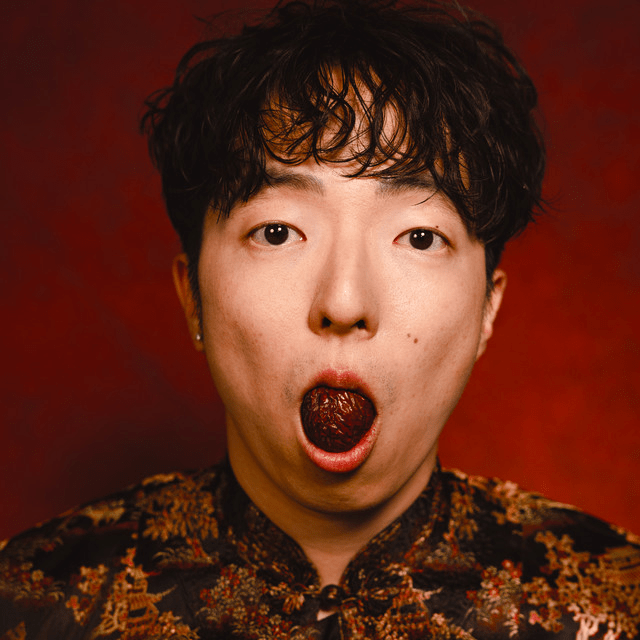
The live performance strips the production to essentials, letting KENTON’s vocal power carry weight without studio polish softening edges. When he catalogs “listening to the dead / Playing games inside my head / Telling me that I’m not easy to love,” those internalized voices register as specific haunting rather than vague self-doubt. He’s been “sweeping blood behind closed doors,” maintaining performance of wholeness while hemorrhaging privately. The chorus doesn’t promise healing—it promises to stop hiding the damage.
That line “I tried to make it on my own / But I don’t have a home” cuts deepest within context. KENTON’s parents returned to Taiwan; he stayed in the States grappling with queer identity that contradicted his traditional upbringing. Home became impossible geography—neither place accepting him fully, both requiring diminishment to occupy. His childhood nickname “sweetmouth” (甜嘴) described the obedient child who said what his mother needed to hear, the caretaker role that taught him self-erasure as love language.
The bridge rejects fatalism: “I am breaking out this cage / A broken heart is not my fate.” But the preceding verse admits darker truth—”The older I get the less that I smile / Constantly putting my whole life on trial.” KENTON recorded Sweetmouth after visiting his stroke-affected father in Taiwan for the first time in six years, processing shame, grief, and the impossible work of forgiving parents who can’t accept who you are while honoring them anyway. “Let Light In” doesn’t resolve that contradiction. It just stops fighting it.
 B-Side Guys
Leave a Reply