
Jay Nemeyer records guitar-driven indie rock in his DC condo-turned-studio, but Zombie doesn’t sound homemade. The seven-track EP blends dream pop shimmer with shoegaze distortion and straightforward rock structure, creating tension between hazy atmospherics and sharp hooks. This juxtaposition—dark minor-key riffs carrying unexpectedly jubilant lyrics—defines the project’s emotional core. Nothing here feels purely one thing.
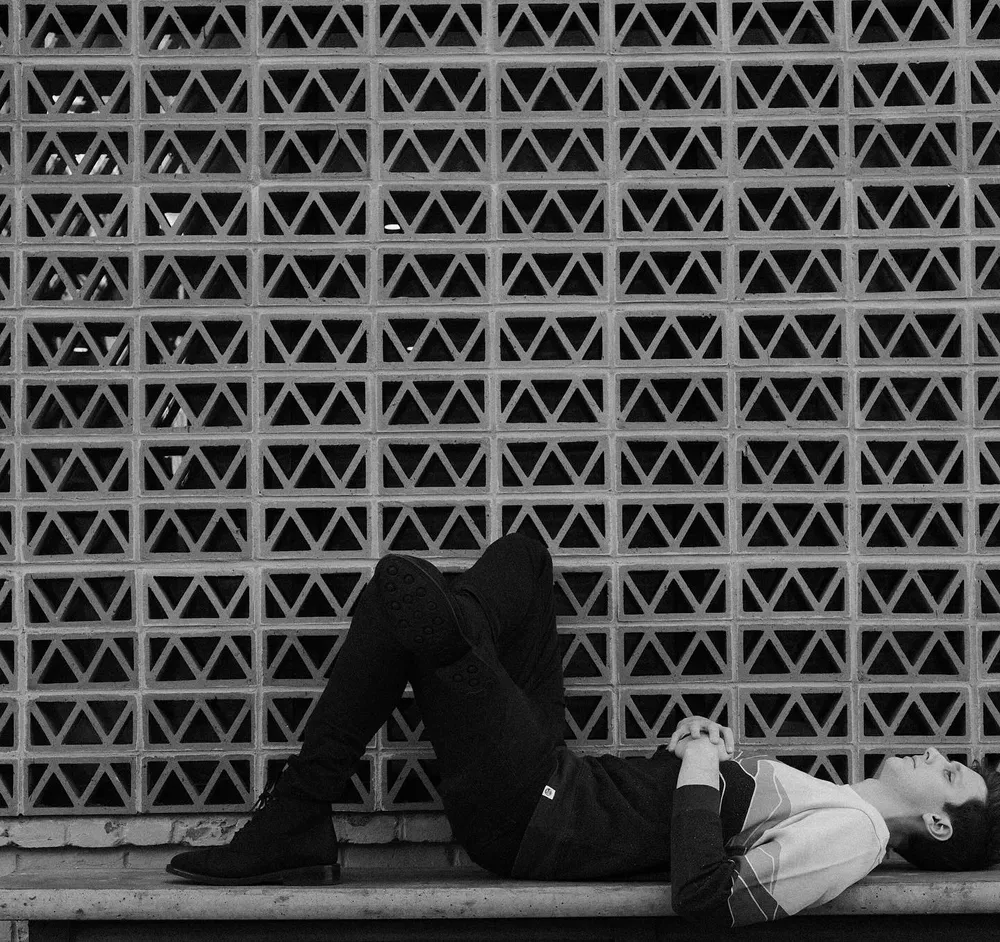
“Zombie” opens with single-note guitar and tight hi-hat drums evoking The Strokes before exploding into Catfish and the Bottlemen bar-chord catharsis. The production shifts constantly within single songs, refusing to settle. Post-chorus returns to dueling nostalgic guitar lines, the track cycling through moods faster than most EPs cycle through songs. The title suggests numbness, but the music fights against it—this isn’t surrender to emotional paralysis but active resistance through sound.
“Nights Alone” strips back to bass-centric minimalism reminiscent of Beach Fossils and The Drums. Nemeyer examines identity loss when love becomes your only mirror: “I don’t feel like myself when you’re not at home.” The loneliness operates on multiple levels—missing someone specific, yes, but more troublingly, discovering you’ve forgotten independent existence. Scrolling phone photos at the beach in airplane mode captures how technology promises connection while delivering isolation. The track’s laid-back groove contradicts its existential unease.
“Anywhere at All” leans into darker instrumentation despite functioning as a love song. Grungier guitars undercut romantic sentiment—Nemeyer would ditch friends to go anywhere with this person, but the production suggests ambivalence about that impulse. The Tascam 388 version later on the EP slows tempo and softens edges, turning the same material into something gorgeous and spare. The contrast demonstrates how arrangement shapes meaning more than lyrics. Same words, entirely different emotional weight.
“Grateful” starts with foreboding Fontaines DC-style guitar before pivoting to apparent gratitude. “Laura Palmer” delivers mournful harmonies and Strokes-influenced bite while professing sincere love: “Oh Laura, blue skies have nothing on you.” The Twin Peaks reference adds a layer of ambiguity—Laura Palmer spent the series dead, wrapped in plastic, her life defined by hidden darkness. Whether Nemeyer intends the irony or it emerges accidentally doesn’t matter. The juxtaposition deepens the songs.
These light-dark contrasts avoid saccharine territory. Happy words carry darkness underneath, suggesting mistrust of anything too sweet. The production choices reinforce this—guitars shimmer but bite, synths glow but haunt, drums pulse steadily while everything else blurs. Color Palette operates in that space between motion and stillness, where emotion lingers without resolving.
The EP’s final two tracks rework earlier material. The Tascam version of “Anywhere at All” strips the song to essentials, recording to tape machine creating warmth that digital production can’t replicate. It’s the EP’s highlight—goosebump-inducing proof that sometimes less hits harder. The GR1MM remix transforms “Nights Alone” into a punchy house track, turning melancholy into celebration. “I don’t feel like myself when you’re not at home” suddenly reads as a joyful acknowledgment of connection rather than anxious dependency. Same lyrics, opposite meaning.

At seven tracks, including two reworkings, Zombie functions as a transitional statement. Nemeyer and collaborators Kyle Downes and Mike Toohey lean harder into guitar hooks than previous releases, the sonic shift suggesting artistic restlessness. The home studio recordings sound professional—Matt Hartenau’s drums cut through cleanly, Rogerio Naressi’s keys add texture without clutter, Mat Leffler-Schulman’s mastering maintains clarity across dreamy production.
The EP’s greatest achievement is maintaining focus while constantly shifting. Every track explores a different angle—indie rock energy, dream pop haze, shoegaze distortion—but cohesion never breaks. Nemeyer draws from M83’s cinematic scope, Beach House’s melancholy sparkle, The Cure’s emotional depth without directly copying anyone. The result sounds distinctly like Color Palette finding a refined version of themselves.
Zombie documents revival through reflection rather than decay. The title track’s meditation on numbness leads through isolation and disconnection toward something like renewal. Nothing explodes dramatically—these songs seep and resonate, each pulse returning to life gradually. For an EP about emotional paralysis, the music moves remarkably well. The juxtapositions create the brilliance: dark guitars, hopeful lyrics, lo-fi tape recordings next to polished production, melancholy transformed into celebration through remix. Color Palette refuses a single emotional register, trusting that complexity serves truth better than consistency. Seven tracks, multiple versions of reality, all of them valid simultaneously.
 B-Side Guys
Leave a Reply