
Understanding yourself requires standing still long enough to actually look. Slow Coast’s Home of the Restless, released today (November 21st), documents that difficult pause—forty minutes examining the quiet fights happening inside your head, the stories you tell yourself just to survive, the clarity emerging when you finally stop running. The Bay Area indie rock project that started in 2022 has built substantial grassroots momentum (over 4 million streams across platforms), earning comparisons to The Strokes, Arctic Monkeys, and Tame Impala for their ability to blend sunny, upbeat beach-rock sound with heavier lyrical content. What distinguishes Home of the Restless from typical introspective indie rock is its refusal to wallow—these eleven tracks trace the process from doubt and denial through self-recognition toward actual release, indie rock for people who think too much but still roll the windows down.
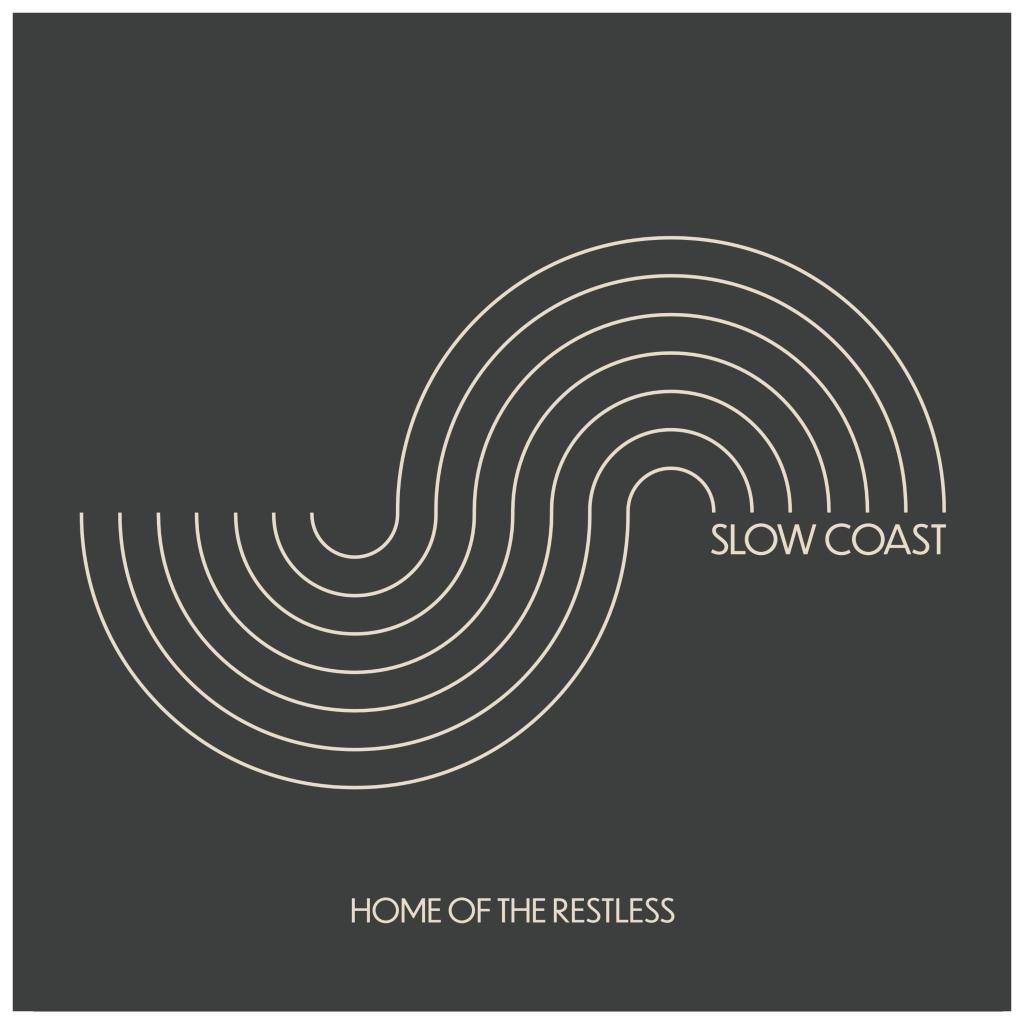
“I Can Be Wrong” opens the album establishing the central tension immediately—admitting fallibility while watching someone else refuse to back down from what they’ve found. The track documents that frustrating dynamic where you’ve done the work to examine yourself but the other person won’t face their own mirror, everything they fear blocking their reflection. The production throughout Home of the Restless maintains the bright guitars and driving rhythms that made Slow Coast’s earlier singles like “Hypnotized” and “Lotta Good” connect with audiences, but the arrangements here create space for the introspective lyrics to breathe rather than just providing energetic backdrop.
“Double Vision” and “Where I’m Supposed to Be” wrestle with identity and control, documenting the confusion of fighting yourself rather than actual external opponents. The former captures the disorientation of winning while simultaneously losing, holding the line only to fall from the high, eventually realizing “it’s just me in this quiet fight.” The latter’s refrain about being right where you’re supposed to be functions as both affirmation and defiance, the more others deny your path the more it fuels the ride. These tracks demonstrate Slow Coast’s gift for matching introspection with momentum, creating music that invites reflection without demanding you sit still.
“My Mind” addresses the exhausting work of staying distracted from yourself, admitting “my problems are my home / I can’t just leave myself alone.” The track captures a particular modern anxiety—what would we do if we actually cleared our minds, if we couldn’t manufacture problems to occupy attention? The production here maintains the album’s sonic contrast between sunshine-infused melodies and thoughtful lyrics, what press outlets have praised as Slow Coast’s ability to craft “a road trip that unexpectedly leads inward.”
“Better Weather” featuring The Cabriolets provides the album’s collaborative centerpiece, documenting the work of holding on through storms while fearing change. The track’s admission “who would I be, if you’re not next to me?” captures how identity becomes entangled with relationships until you can’t separate who you are from who you are with someone. The guest appearance adds dimension without overwhelming Slow Coast’s established sound, demonstrating the project’s confidence in knowing when collaboration enhances rather than dilutes vision.
“Take You for a Ride” and “Not Alone” explore connection from different angles—wanting to share everything you experienced alone versus needing reassurance that isolation isn’t permanent. The former’s desire to rewrite stories previously kept solitary suggests the relief of finally having someone to show all the times they should have been there. The latter documents standing in your own way while desperately hoping you’re not alone in that pattern, acknowledging “I’m in my way, tell me I’m not alone” as both confession and plea.
“Perfect Lie” examines the exhaustion of performing, questioning what we’re even performing for. The track addresses dropping the facade without warning others to watch you try and fail, embracing visibility of the struggle rather than maintaining illusion of effortless success. After building a following through music outlets like Earmilk (which praised their “intricate contrast of upbeat, sunshine-infused melodies and thoughtful, introspective lyrics”), Slow Coast understands the pressure to present polished image, but this track advocates abandoning that perfect lie entirely.
“Believe You” and “Words That They Told” featuring Lake Fraser examine the gap between what we’re told and what we actually experience. The former waits for sunlight while trying to believe it’s going to be alright, acknowledging “I’m more than my mind” as mantra against internal narratives. The latter realizes that the limiting words supposedly from others “were really my own”—the most devastating recognition that we’ve been our own harshest critics all along. The featured artist on the closing stretch adds weight to that revelation, creating choral effect appropriate for the album’s emotional climax.
“Lotta Good” closes the album with the optimism its title promises, insisting “there’s a lotta good ahead of me / I feel it now.” After ten tracks documenting internal struggles and self-imposed limitations, this finale offers earned rather than cheap hopefulness. The track acknowledges the journey—”if you’d have seen where I stood you’d bet on me”—while declaring “nothing’s stopping me now.” The production maintains the album’s sonic identity—fresh pop sounds balanced with raw indie rock—while letting the message land without ironic distance.

For a project that describes its sound as “sunny, upbeat, beach-rock sound, contrasted by heavier lyrics,” Home of the Restless delivers exactly that promise while deepening the execution. Slow Coast has progressed from creating individual singles that connect to crafting an album that functions as complete statement about the work of coming home to yourself. The record sits where sunlight meets introspection, proving you can create music that makes people move while also making them think. Forty minutes documenting the quiet fights, the self-recognition, the eventual release—indie rock that understands the destination isn’t a place but a state of being where you finally stop running from who you actually are.
 B-Side Guys
Leave a Reply