
Debut albums arrive carrying different weight depending on the artist’s circumstances. For Jordan K, a father of three balancing full-time professional life with musical passion, Take Our Time represents years of singles finally coalescing into complete statement. Released October 17th, the twelve-track collection spanning thirty-three minutes doesn’t chase fame or industry validation—it exists to demonstrate that pursuing your passion remains possible even when life fills every available hour. That modest goal produces surprisingly focused work, blending pop-country accessibility with alt-pop Christian sensibilities into music designed for campfires and car rides, family listening that still allows genuine artistic expression.
Jordan K’s influences span generations and genres—old school R&B groups like Soul For Real, Garth Brooks’ arena country, contemporary voices like Chris Stapleton, Teddy Swims, and Goldford. That range could produce incoherent pastiche, but the album’s central theme—time’s value, living in the moment, cherishing what we have—provides conceptual anchor that prevents stylistic wandering. Everything connects to temporal awareness, whether celebrating present joy or acknowledging how quickly moments disappear.
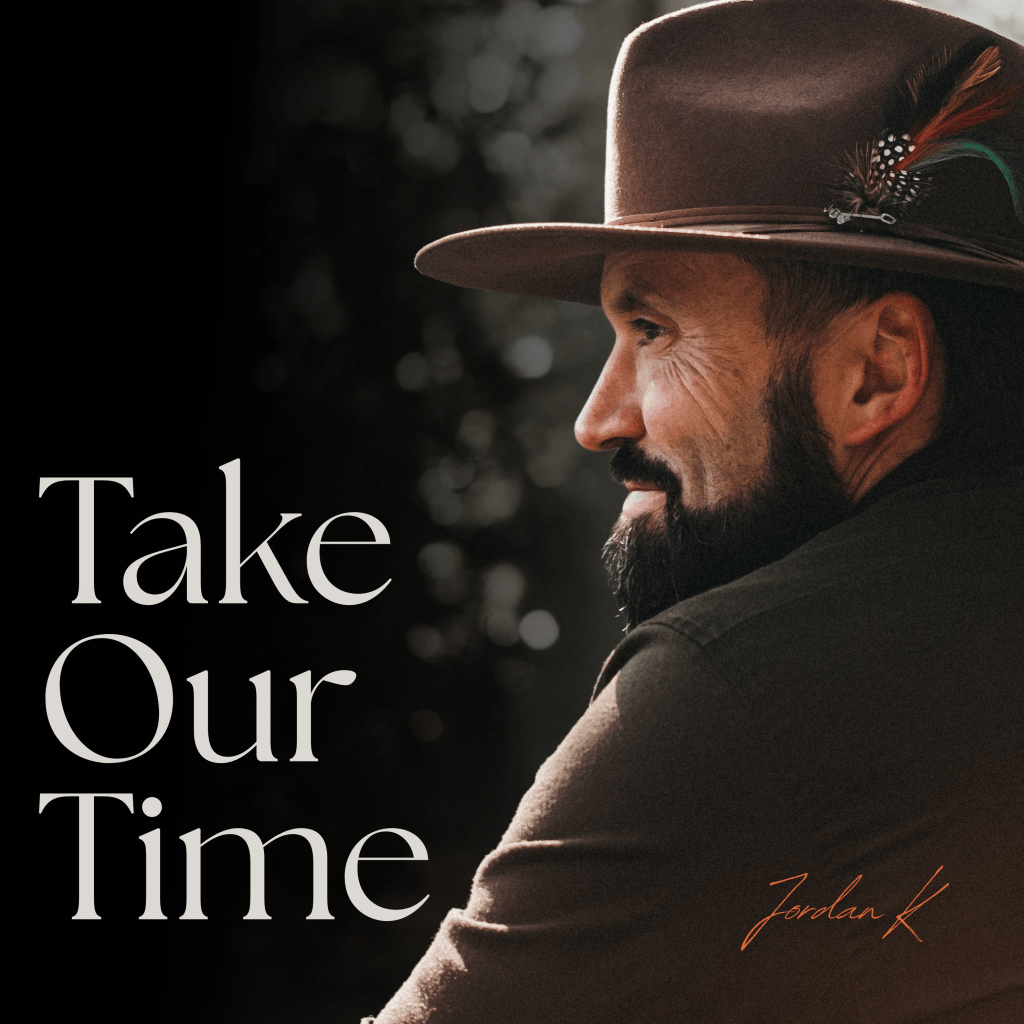
“Intro (Campfire)” establishes the album’s intimate atmosphere immediately. The framing device positions what follows as music shared around fire, crackling warmth and casual gathering rather than polished performance. That choice reflects Jordan K’s approach throughout—these songs prioritize connection over impression, aiming for the emotional spaces where families and friends actually gather rather than abstract artistic statements.
“One More Time” and “Red & White Pines” build on that foundation, the former addressing the universal desire to relive perfect moments, the latter grounding memory in specific natural imagery. Jordan K’s vocals throughout the album carry warmth without overselling emotion—he sounds like someone singing because he needs to, not because he’s performing for judgment. That authenticity matters more than technical virtuosity, especially for an album positioned as proof that passion deserves pursuit regardless of professional trajectory.
“68 Charger” injects the album’s first burst of energy, using classic car as vessel for nostalgia and freedom. The track demonstrates Jordan K’s pop-country instincts, finding hooks without sacrificing sincerity. The production throughout Take Our Time maintains clean, radio-friendly sheen while avoiding the overproduced sterility that plagues much contemporary Christian and country-pop crossover material.
“Interlude (My Margarita)” provides necessary breath before the title track arrives. “Take Our Time” functions as the album’s thesis statement, advocating for presence and patience in a culture obsessed with acceleration. The song’s placement at the album’s midpoint creates natural pivot, everything before building toward this central message, everything after exploring its implications.
“Everyday” and “Sun and Moon” continue examining temporal themes from different angles. The former celebrates routine’s undervalued beauty—the daily moments that accumulate into lives—while the latter uses celestial imagery to explore constancy and change. Jordan K’s Christian faith emerges most clearly here without becoming preachy; the spirituality feels integrated rather than imposed, addressing a higher power as natural part of lived experience rather than sermonic obligation.
“Rocks at the Bottom” introduces the album’s darker shadings, acknowledging that valuing time includes reckoning with how it’s been spent or wasted. The track adds necessary dimension, preventing the album from becoming relentlessly uplifting in ways that would ring false. Real temporal awareness requires confronting regret alongside gratitude.
“Suit Up” shifts gears again, its title suggesting preparation and determination. The track channels the album’s most explicitly motivational impulses, encouraging action rather than just contemplation. For an album framed as demonstration that passion deserves pursuit, this direct encouragement reinforces the central message—talking about valuing time means nothing without actually using it purposefully.
“Breathe” near the album’s end provides the exhale its title promises. After tracks addressing memory, regret, action, and faith, this moment of simple presence completes the temporal journey. Sometimes valuing time means doing nothing except existing in it, allowing yourself the space to simply breathe without agenda or achievement.
“Outro” closes the collection, creating circular structure that reinforces the album’s intimate intentions. The full journey—from gathering around fire through exploration of time’s meanings back to that same warm circle—takes thirty-three minutes, a length that respects listener attention without overstaying welcome.

What distinguishes Take Our Time from countless other debut albums by artists balancing music with other life demands is Jordan K’s clear sense of purpose. He’s not using this album as stepping stone to something else or proving himself to an imaginary audience of gatekeepers. He’s creating the music he wants to exist in his family’s world, songs his kids can hear without him compromising the artistic expression other mediums don’t allow him. That specific, modest goal paradoxically gives the album more integrity than projects with grander ambitions.
The pop-country and alt-pop Christian blend could feel like calculated attempt to straddle multiple markets, but Jordan K’s influences feel genuinely integrated rather than strategically combined. Growing up on ’90s R&B boy groups and Garth Brooks, then finding contemporary inspiration in Stapleton’s raw country soul and Teddy Swims’ genre-fluid emotionality—these aren’t incompatible reference points. They’re the actual musical education of someone who absorbed what resonated without worrying about genre boundaries.
The album’s family-friendly approach doesn’t mean toothless or sanitized. Jordan K addresses real emotional complexity—regret, struggle, doubt—he just does so without explicit content that would make the music inappropriate for his kids. That’s not limitation; it’s discipline, forcing him to articulate difficult feelings through craft rather than shock value.
For listeners seeking music that takes family life seriously as worthy subject rather than obstacle to authentic artistic expression, Take Our Time offers refreshing alternative. Jordan K’s not pretending he’s twenty-three and unburdened, living some mythical artist’s life of total creative freedom. He’s making music from inside the life he actually has—three kids, full-time job, passion that won’t quiet—and finding artistic truth in those circumstances rather than despite them. The album proves that debut records can arrive at any age, from any life situation, as long as the need to create remains urgent enough to carve out the space and time required. Given the album’s thematic focus on temporal value, that lesson becomes meta-textual proof of concept: Jordan K didn’t just make an album about cherishing time, he used his own time to make it happen.
 B-Side Guys
Leave a Reply