
Corey Michael Bell writes like someone watching the world accelerate toward disaster while everyone else scrolls past the warnings. Fog, arriving October 24th on vinyl and digital, finds the Los Angeles-based Bells Deep project responding to information overload, disconnection, and burnout with eleven tracks of alt-rock, post-punk, and power pop wrapped around timely social commentary and gallows humor. Written in the months following 2024’s Out to Sea—an emotionally potent album born from personal crisis—Fog shifts focus outward, using Los Angeles as backdrop for scathing cultural critique that feels uncomfortably specific to this particular moment.
Where Out to Sea navigated personal turbulence (Bell wrote that album while his partner of two decades faced major surgery and health uncertainties), Fog confronts collective chaos. The album leans into brooding momentum across its first half before transcending to ethereal nostalgia on side two, documenting the cognitive dissonance of living through times that feel simultaneously unprecedented and grimly predictable. Bell, a Midwesterner by birth but Angeleno at heart, uses bold virtuosic melodies to frame lyrics that refuse easy comfort or false hope.
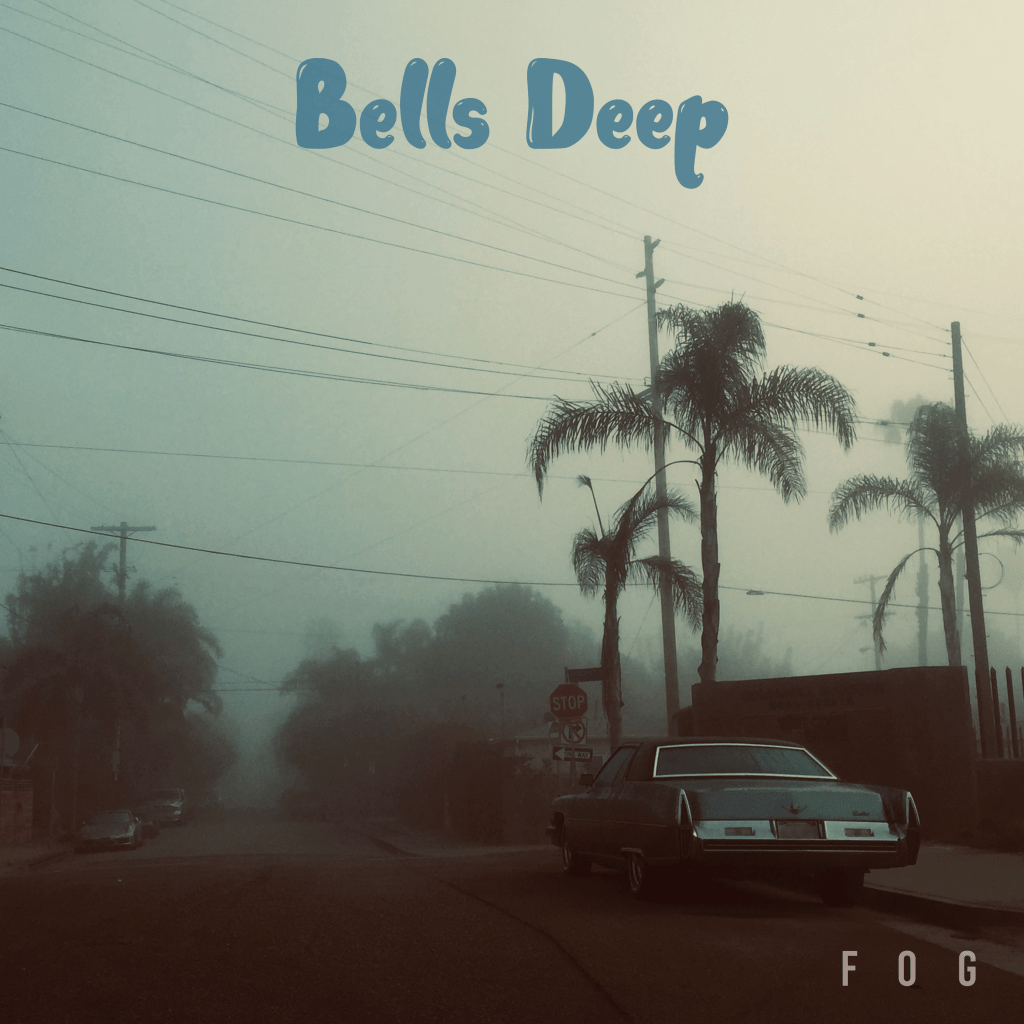
“DEAD2ME” opens the album with brutal clarity about accepting the unacceptable. The track documents confirmation of worst fears, loose ends tied, dots connected—the moment when you stop resisting what’s become obvious. Bell’s observation that “we should be ashamed but we’re not by far / We’d pretend we weren’t but it’s who we are” captures national self-recognition without redemption. Those lines about faces “like melted plastic bronzed and lacquered” and the refrain about someone being “dead to me long ago” suggest both political disillusionment and personal rejection, the way the two collapse into each other until you can’t separate public disgust from private disappointment.
The track’s second half gets more pointed: “the high price of salvation / The threats are persuasive / Their words are abrasive / Their tentacles invasive.” Bell documents how “the spineless always cave” and how “pandering works” while “truth gets obscured / By oversimplification.” That final observation—”there’s no guardrails now we don’t know how / there’s no disqualifications / It was always going to happen we can’t resist sliding backwards”—functions as thesis statement for the entire album. This is music for recognizing systemic collapse while trapped inside it.
“Start With Sorry” and “Mr. Crackers” continue building momentum. The latter particularly showcases Bell’s gift for combining societal critique with vivid specific imagery. Lines about not knowing who to trust, belts slipping and bolts rusting, establish mechanical failure as metaphor before expanding into broader territory—”homicidal transients and fire bugs,” the question of whether it’s “malice or negligence,” the escalating debasement “like bare feet on hot pavement.” Bell mixes registers deliberately, jumping from existential observation (“Time is an illusion until you look into the mirror”) to dark comedy (“Who forgot to add the chlorine to the gene pool?”) to character sketches (“nihilistic optimists and gin-soaked visionaries / Mad poet cynics and punch-drunk missionaries”). The accumulation creates dizzying effect that mirrors information overload the album addresses.
“Understatement,” “Fog,” and “Don’t Despair” form the album’s core, with the title track featuring Nathan Peoples on saxophone solo—one of the few outside contributions on a record Bell otherwise wrote, performed, and produced himself in Los Angeles. “Don’t Despair” delivers particularly devastating examination of exploitation and inevitability. The opening metaphor—”They are the hummingbird you are the feeder / When the sugar runs out they’re going to leave you”—establishes one-sided relationships before expanding the framework: “You’re just a cheap and easy vessel to get the sugar to their beak.” Bell’s advice to “set your expectations accordingly for what you know is coming eventually” before the final gut-punch of “Don’t despair / Thoughts and prayers” transforms meaningless platitude into indictment.
“Tabloid TV Fever Dream” addresses the current moment most directly, examining how “vengeance and anger are boiling the planet” while asking whether chaos represents accident or design: “So much chaos like somebody planned it.” The track documents “erratic behavior and unrealistic demands” before landing on image that captures helplessness perfectly—”It’s hard to point fingers without any hands.” Bell’s opening declaration that “There is no return to normalcy / There never was and there never will be” rejects nostalgia for imagined stability, while his observation that “subservience is the new dignity” and advice to make “bad decisions with no consequences / Rinse and repeat times infinity” documents moral collapse with dark humor that barely disguises genuine horror.
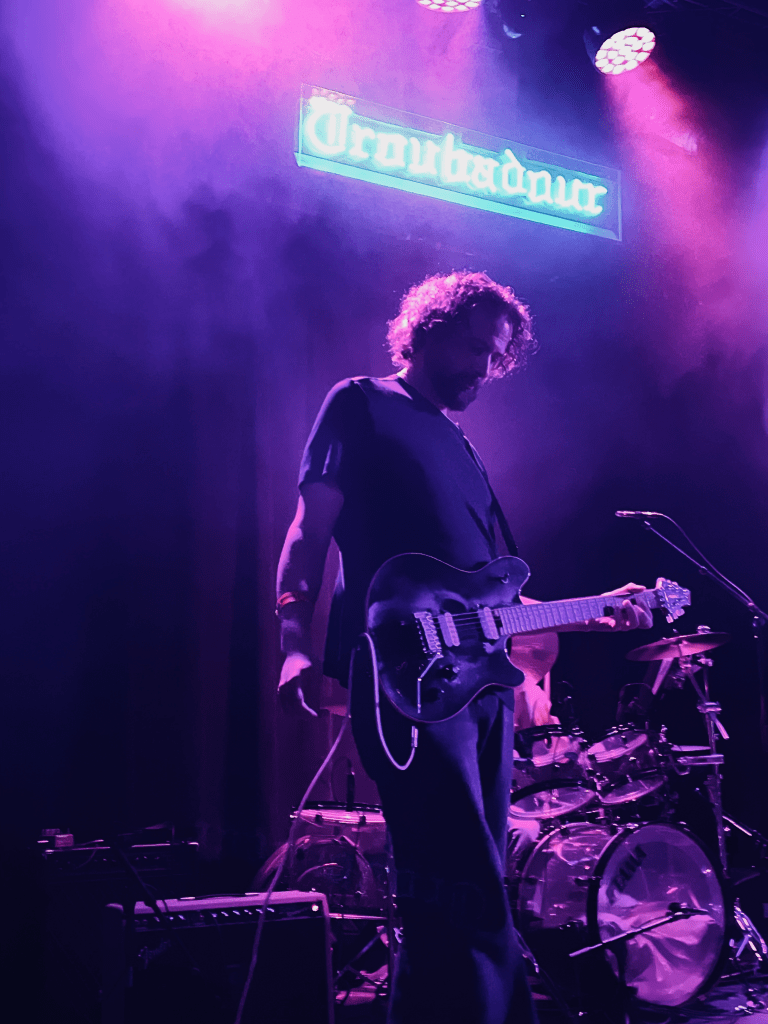
The album’s second side—”Kill The Lights,” “Sugar Cube,” “One Day Closer,” and “Spore”—shifts toward the ethereal and nostalgic. These four tracks complete the eleven-song arc, moving from the first side’s brooding momentum into atmospheric territory that provides necessary contrast without abandoning the album’s core concerns.
Bell’s production throughout maintains the adventurous, introspective, ambitious approach that defines Bells Deep. His guitar work ranges across styles, and his vocal delivery balances melodic strength with lyrical bite. The album was mastered by Harrison Hunt at Well Made Music, ensuring the sonic diversity—alt-rock punch, post-punk tension, power pop hooks—translates clearly without sacrificing the deliberately murky atmosphere the title suggests.
What makes Fog significant as cultural document is its refusal to offer false comfort while avoiding nihilistic surrender. Bell writes from inside the crisis he’s describing, acknowledging complicity and helplessness without wallowing. His gallows humor prevents the material from becoming preachy or didactic—he’s not lecturing from superior position but documenting shared circumstances with dark wit. The Los Angeles setting matters here; the city functions as both specific location and broader symbol of American excess, decay, and desperate optimism existing simultaneously.
For listeners who found emotional resonance in Out to Sea‘s personal navigation of rough waters, Fog offers different but equally necessary work—turning that introspective lens outward to examine the larger storms we’re all weathering. Bell’s socially-conscious rock songs use the current social and political climate not as backdrop but as primary subject, creating music that captures this particular moment’s anxiety, anger, and exhausted resignation. Fog arrives October 24th as both warning and documentation, proof that rock music can still function as urgent cultural commentary when artists commit to unflinching observation.
 B-Side Guys
Leave a Reply