
Noah Mroueh fixates on crooked lines. Not as aesthetic preference but as survival mechanism—when life blurs into uncertainty, the eye seeks anchor points. Vines crawling up brick walls, uneven pavement seams, the mundane geometry that suddenly carries disproportionate meaning. “I’m Still The Same” builds itself around this small-scale observation, Toronto’s ARK IDENTITY stripping away the psychedelic flourishes and vintage production that typically color his dream pop to examine what remains when everything else falls away.
The production here prioritizes absence. Warm guitars float through soft reverb, but the real instrument is silence—the gaps between notes where emotion settles and expands. Mroueh’s vocal delivery stays gentle and unhurried, conversational in a way that feels genuinely unperformed. For an artist whose work draws from Tame Impala’s sprawling production and The Beatles’ melodic ambition, this restraint reads as intentional choice rather than limitation. The all-analog approach that defines his broader work gets pared down to essentials, minimal instrumentation forcing the song’s emotional weight forward.
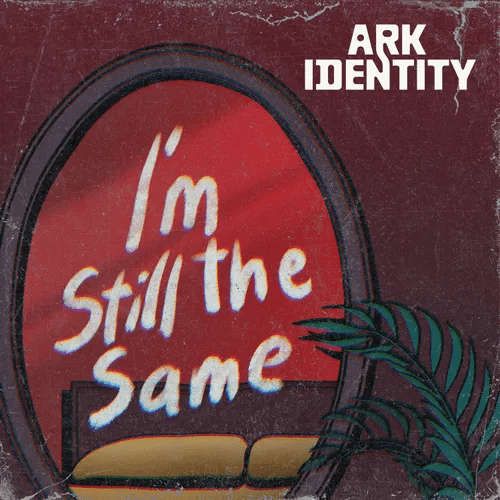
Mroueh describes the track as capturing that bittersweet recognition: external change everywhere, internal constancy stubbornly persisting. Seasons shift, relationships evolve or dissolve, family dynamics reconfigure, yet some core element stays fixed. The sadness isn’t in transformation itself but in the strange isolation of remaining unchanged while everything around you moves. It’s the inverse of nostalgia—not longing for what was, but confusion about why you haven’t moved with the current.
The upcoming Deluxe Nightmare EP will expand into sunny indie rock and brooding electronic alternative, making “I’m Still The Same” an outlier in its intimacy. Here, ahead of that October release, Mroueh chooses smallness deliberately. Crooked sidewalk lines become meditation points not because they’re beautiful but because they’re constant, unchanging markers in a landscape that won’t hold still. The track doesn’t resolve this tension between stasis and motion. It just acknowledges the strange comfort of noticing the same crack in the pavement you’ve walked past a thousand times, proof that something, at least, refuses to shift.
 B-Side Guys
Leave a Reply