
Creative burnout doesn’t announce itself with dramatic collapse—it accumulates quietly until making music stops feeling like choice and starts feeling like obligation. Sunny Luwe hit that wall after her debut album Flowers in the Sky, a record that earned 4ZZZ Album of the Week honors, climbed AMRAP charts for weeks, and received support across Triple J, Double J, and ABC Country. Success didn’t prevent exhaustion; it just made the exhaustion more complicated. Feeling Good emerged from Luwe’s promise to herself to rediscover joy in the creative process, resulting in ten tracks across seven producers that document what happens when an artist chooses pleasure over pressure.
A proud Wayilwan woman, Luwe has built her career through festival stages (BIGSOUND, St Kilda Festival, BLEACH*) and consistent recognition—three Queensland Music Awards nominations speak to sustained quality rather than viral moment. Her trajectory reflects grassroots momentum, the kind built through repeated performances and word-of-mouth rather than algorithmic acceleration. That foundation shows in Feeling Good‘s confidence. This isn’t an artist chasing trends or calculating market position—it’s someone who knows her voice and trusts her vision enough to work with multiple producers without losing coherent identity.

The decision to collaborate with seven different producers across ten tracks could fragment an album into disconnected collection. Instead, Luwe and her team—including multi-ARIA winner Konstantin Kersting and longtime collaborator/partner Matthew Collins—maintain what she describes as “strong musical thread.” That cohesion comes from Luwe’s unmistakable voice serving as consistent anchor even as production approaches vary. The album blends soul, pop, and country without privileging any single genre, allowing each song to inhabit its own territory while contributing to larger narrative.
The title track “Feeling Good,” produced by Collins at Puppy Palace Studios, establishes the album’s sassy unapologetic energy immediately. Blending R&B, pop, and soul, the track preaches self-love while actively rejecting toxicity—not through vague empowerment platitudes but through specific declarations. Luwe’s description of the album as being about “kicking out toxicity” gets concrete manifestation here. The production stays catchy and uplifting without softening the message, proving you can deliver pointed content through infectious melody.
“Saturday Night” opens the album setting scene before the mission statement arrives. The track captures specific excitement of anticipated freedom, that pre-evening energy when possibility still outweighs reality. Luwe’s vocal performance throughout Feeling Good carries what Triple J Unearthed’s reviewers consistently identified in her previous work—nostalgic quality that recalls early 2000s pop-country crossover without replicating it exactly. That familiarity without mimicry creates accessibility, inviting listeners into sounds they recognize while offering something new.
“Animal Instinct” leans into the cheesiness that reviewers praised in her earlier single “Give A Little Bit Of Your Love.” Luwe doesn’t shy from earnestness or direct emotion, understanding that sincerity executed well beats ironic distance performed poorly. In an era where many artists hide genuine feeling behind layers of self-awareness, her willingness to be straightforward without being simplistic distinguishes her approach. The track demonstrates range within the album’s upbeat majority, showing how different production choices create variation without abandoning core sensibility.
“We’ve Got The Power” stands as the album’s most explicitly activist moment, earning Queensland Music Award nomination and recognition as finalist in the search for global eco anthem. High-energy collective action anthem could scan as heavy-handed, but Luwe’s execution keeps it spirited rather than preachy. The song functions as invitation rather than lecture, understanding that effective activism music makes people want to move—literally and figuratively—rather than just agree intellectually. The international recognition suggests the track’s message translates across contexts while maintaining specific urgency.
“It Won’t Be Long Til I See You Again” received ABC Country and Edge of Country airplay, demonstrating Luwe’s ability to write material that works for country radio without abandoning pop-soul sensibilities that define much of the album. The track addresses separation and anticipated reunion with heartfelt directness, avoiding both melodrama and understatement. Her comment about not believing “what the old me would put up with” gains specific illustration across several songs—documenting toxic relationship patterns she’s moved beyond, contrasting past acceptance with current standards.
“I Just Want To Love Myself” makes the internal work explicit. After several tracks examining external relationships and collective action, this song turns inward examining self-relationship as foundation. The title’s directness could risk sounding like therapy-speak, but Luwe’s delivery and the production choices ground the concept in actual emotional territory rather than abstract aspiration. The placement midway through the album creates breathing room, slowing momentum briefly before building back toward conclusion.
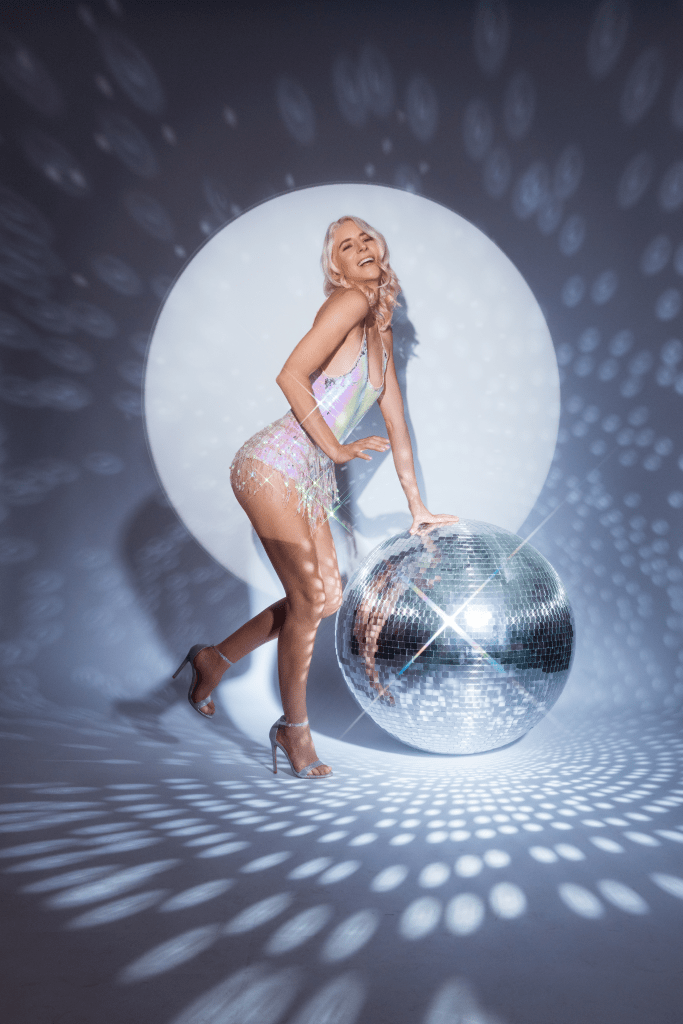
“Hands Up” and “Blue Skies” restore energy, with the latter earning Music Feeds premiere and praise from Mystic Sons for sounding “unbothered, unboxed, and unmistakably hers.” That description captures what Feeling Good achieves across its thirty-two minutes—music that refuses genre confinement while maintaining clear artistic identity. “Blue Skies” particularly showcases the production variety the album employs, demonstrating how different sonic approaches can serve similar thematic material.
“Upside Down” near the album’s end maintains the spirited energy before “Letter to the Future (I’m Sorry)” strips everything back to acoustic-driven vulnerability. The dramatic shift from celebratory energy to delicate plea creates powerful contrast, proving Luwe can hold space for both exuberance and tenderness without either feeling forced. The song addresses future generations with candid truth, acknowledging environmental and social damage while offering something beyond despair. The parenthetical apology in the title carries weight—not performative guilt but genuine recognition of inheritance’s burden.
The inclusion of “It Won’t Be Long Til I See You Again – Radio Edit” as bonus track acknowledges the reality of how music gets consumed and promoted. Radio edits serve different function than album versions, and Luwe’s decision to include both demonstrates understanding of music industry’s practical requirements without letting those requirements dictate creative choices.
Throughout Feeling Good, Luwe’s growth as person and artist becomes audible. Her current beautiful relationship and renewed dedication to music creation contrast sharply with earlier patterns she describes outgrowing. That personal evolution informs the album’s themes without overwhelming them—she’s not making therapy record or documentary of healing, just music that reflects where she is now while acknowledging where she’s been.
The album’s concept—finding freedom in creativity, embracing joy in music-making—could produce self-congratulatory material if executed poorly. Instead, Luwe creates record that invites listeners into her rediscovered pleasure without demanding they share identical circumstances. The specificity of her experience (Wayilwan woman, Australian music scene, particular relationship history) gives the universal themes (self-love, collective action, creative fulfillment) concrete grounding.
Feeling Good succeeds as both artistic statement and proof of concept. Luwe promised herself she’d rediscover joy in creative process, then delivered album that sounds joyful without forcing it. Working with seven producers across ten tracks while maintaining cohesion requires both strong vision and collaborative skill. The result feels vibrant, empowering, and genuinely celebratory—music made by someone who remembered why she started making music in the first place. That’s rarer achievement than it should be.
 B-Side Guys
Leave a Reply