
Jaden Sade didn’t intend to make Tidal Wave. The Austrian artist stumbled into a full album when a few songs multiplied beyond intention, momentum overtaking planning. This accidental genesis shapes everything about the record—it moves with the unpredictability of actual water, refusing to settle into predictable patterns. What emerges across these ten tracks and thirty-six minutes is music made by someone learning in real time how to stop hiding from pain, choosing submersion over avoidance.
The production carries the fingerprints of total creative control. Sade wrote, produced, and mixed everything himself, and that insularity creates an unusually coherent aesthetic world. These aren’t bedroom recordings that apologize for their intimacy—they’re constructed spaces that use closeness as strategy. The mix choices prioritize emotional legibility over sonic perfection, letting vulnerability remain audible in the room tone and vocal proximity. Everything feels intentionally underlit, as if Sade is inviting listeners into dimly familiar spaces rather than spotlit performances.
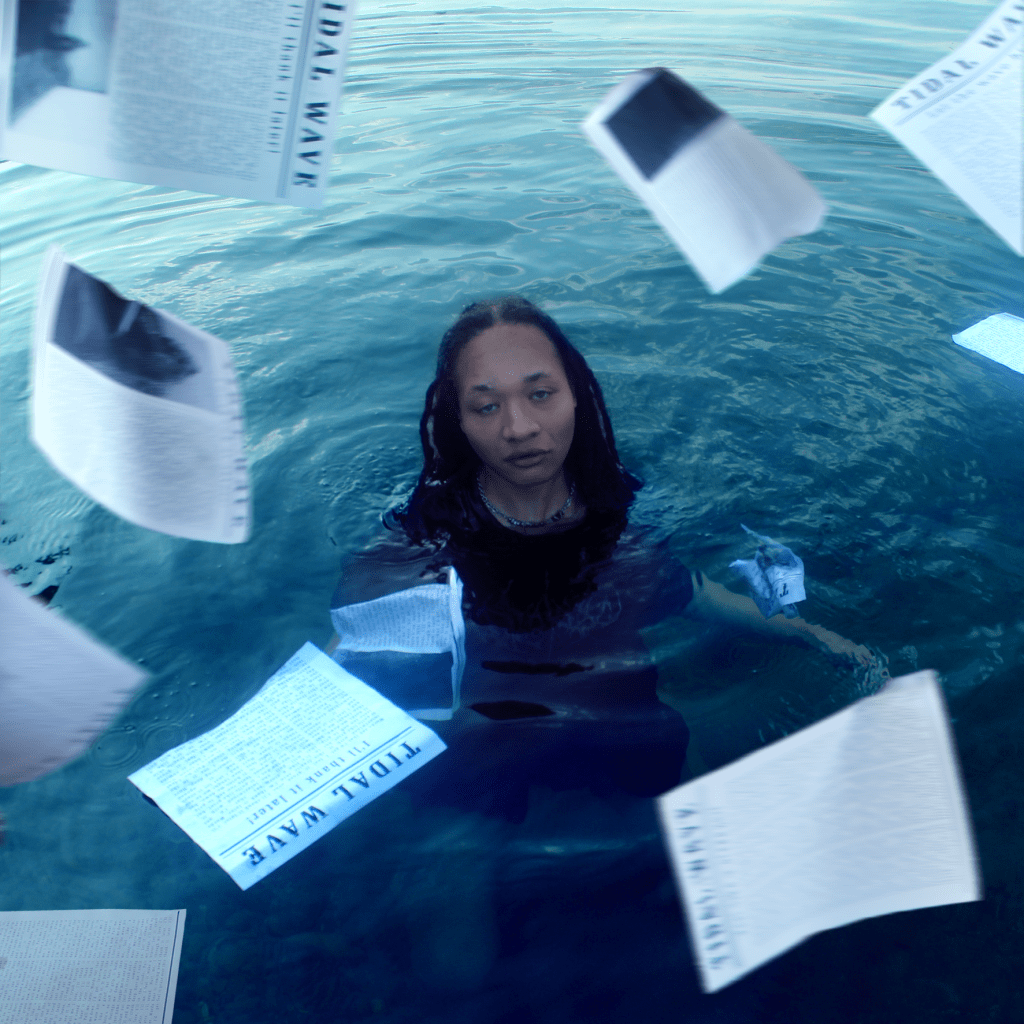
“Blue” opens the album with deliberate repetition, cycling the same melodic figure until it becomes hypnotic rather than annoying. The track establishes drowning as the central metaphor before the title even appears. Where many artists would vary their arrangement to maintain interest, Sade commits to monotony as emotional truth—depression doesn’t offer dynamic shifts or satisfying resolutions. The unchanging instrumental mirrors the inescapability of the mental state being described, trapping the listener in the same loop as the narrator.
“The Ocean” pivots immediately, introducing dance-inflected electronics that shouldn’t work after such a heavy opener but somehow do. The thematic through-line holds even as the production shifts gears—this track advocates for complete surrender rather than resistance. Let the water fill your lungs, find the bottom, then push back up. That counterintuitive philosophy of healing through total collapse gets reinforced by the unexpected rhythmic energy. Sometimes you have to dance through darkness rather than sit with it.
“The Life We Never Had” deals in phantom nostalgia, mourning experiences that never happened with people who were never there. Night drives, warm beaches, adventures in big cities—all fabricated memories that feel real enough to grieve. Sade admits to creating these moments in imagination, acknowledging the danger of dwelling too long in invented pasts. The melancholy here feels romantic rather than desperate, a gentler shade of sadness that accepts absence without demanding compensation.
The mid-album stretch introduces different emotional registers without abandoning the aquatic framework. “Love Me Right” functions as the album’s outlier—a straightforward love ballad that addresses desire itself rather than any specific person. The longing here isn’t complicated by existential questions or depressive spirals; it’s just the simple human need to be loved correctly, to feel the kind of connection that could pull you from those ocean depths. The directness provides necessary relief from the album’s tendency toward introspection.
“Carry Me Away” injects urgency through accelerated rhythm, preventing the album from collapsing under its own weight. The increased tempo creates momentum that several of the slower tracks had been resisting, proving Sade understands pacing even when working instinctively. The contrast makes both approaches work better—the contemplative material gains depth when positioned against something driving, and the faster sections feel earned rather than arbitrary.
“New York” extends the pattern of geographic and experiential longing. Cities become stand-ins for emotional states you’ve never occupied, places that promise transformation without requiring arrival. The track explores searching as its own activity—looking for home, for love, for light inside the storm. Escapism gets framed not as weakness but as survival mechanism, the necessary fantasy that keeps you moving when staying still means drowning.
The closing stretch demonstrates Sade’s growing confidence with his own emotional range. “Drive Me Home” ends the album with warmth that earlier tracks kept at arm’s length. The gentleness here doesn’t contradict the pain that came before—it integrates it. The slow tempo and sincere delivery create an atmosphere of arrival, suggesting that maybe the drowning served its purpose. You can return home changed, carrying the weight of what you felt without being crushed by it.
What distinguishes Tidal Wave from Sade’s previous work is the willingness to vary texture and mood while maintaining thematic coherence. Earlier releases leaned heavily into oppressive melancholy, creating music that demanded ceiling-staring and life-rethinking. This album allows itself moments of levity and energy, understanding that emotional truth includes more than just the heaviest feelings. The sadness remains present, but it doesn’t dominate every second.
The water metaphor works because Sade commits to it structurally rather than just lyrically. Tracks flow into each other with tidal logic, sometimes receding to reveal what’s underneath, sometimes surging forward with unexpected force. The album breathes—expanding and contracting, pulling back and crashing in. That rhythmic quality emerges from instinct rather than planning, the natural result of following creative impulses instead of predetermined concepts.
Sade’s decision to release music he initially made for himself adds another layer to the listening experience. These songs weren’t designed to communicate with strangers—they were processing tools, ways to feel emotions a second time and release them through artistic expression. That private origin shows in the unguarded performances and unpolished intimacy. Nothing here feels calculated for audience appeal, which paradoxically makes it more compelling.
Tidal Wave documents submersion and resurfacing, the temporary drowning that paradoxically brings clarity. Sade doesn’t pretend the process is comfortable or that the water is warm. He just demonstrates what happens when you stop fighting the current, let yourself sink completely, and trust you’ll find your way back to air. The album ends with the promise of home, but only after proving you can survive the flood.
 B-Side Guys
Leave a Reply