
Eighteen years. That’s how long Amit Rai Sharma carried this album before finally letting it go. Bnju arrives not as a polished debut statement but as archaeological evidence of survival—layers of grief, displacement, and reconstruction compressed into eight tracks that refuse easy categorization. What began in 2007 as scattered ideas transformed through band collapse, geographic upheaval, and personal reckoning into something that functions less like traditional songs and more like emotional schematics, blueprinting how someone pieces themselves back together when the center doesn’t hold.
The production philosophy here rejects conventional studio thinking. Sharma taught himself to record while making this album, and that self-education becomes part of the record’s DNA. These aren’t demos elevated to album status—they’re finished works that embrace the particular intimacy of bedroom production without sounding lo-fi or apologetic. The mix decisions favor clarity over warmth, creating space that feels clinical but never cold. When glitchy electronic textures collide with organic instrumentation, the seams show deliberately, emphasizing construction over seamlessness.
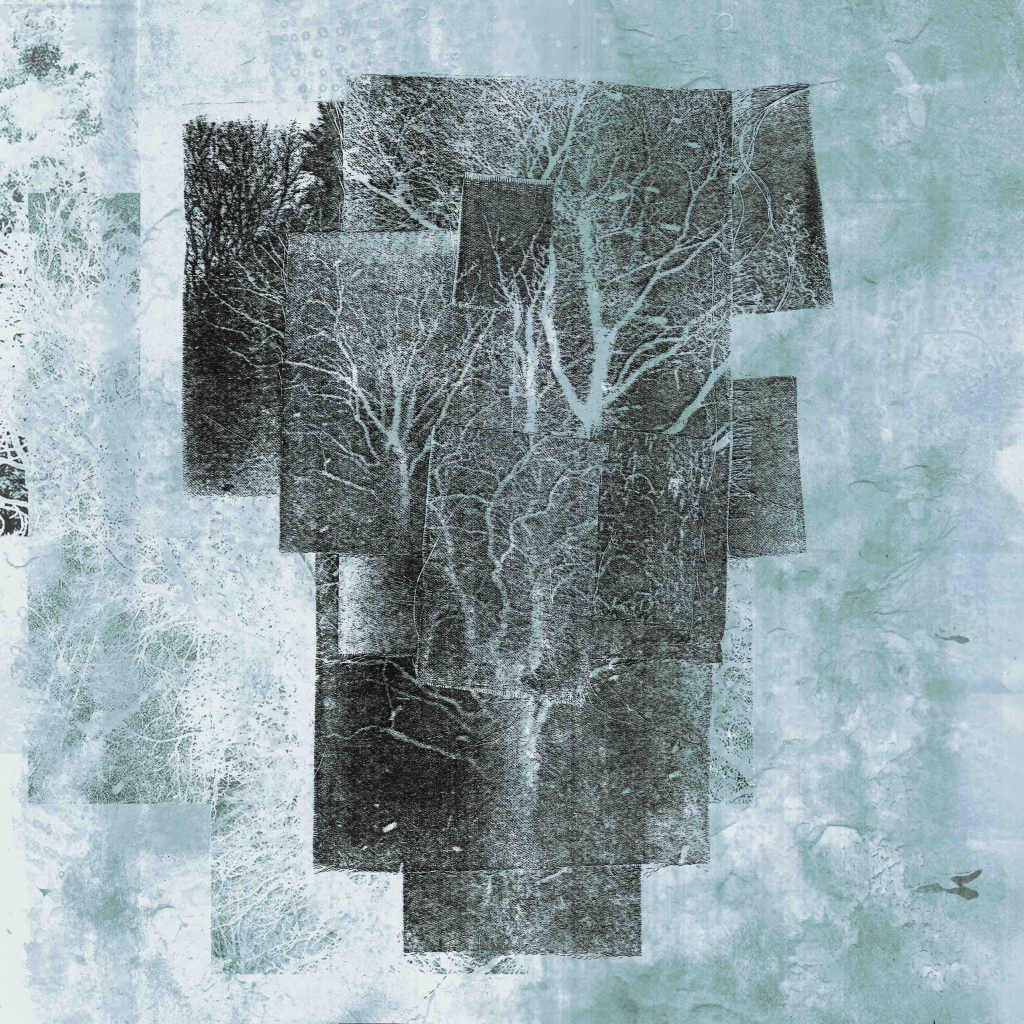
“To The Bitter End” establishes the album’s operating principle immediately: devotion as endurance sport. Written after his uncle’s death, the track builds its emotional architecture through restraint rather than crescendo. Sharma’s vocal sits exposed in the mix, delivering promises of protection that acknowledge their own limitations. That line about an orchestra of words stuck inside captures the album’s central tension—the gap between what we feel and what we can articulate. The production holds back, letting silence do as much work as sound, understanding that grief operates in the pauses.
The extended runtime of “Pieces” justifies itself through patient observation rather than indulgence. Seven minutes and fifty-two seconds to inhabit his grandmother’s experience with dementia, tracking the slow dissolution of recognition. The perspective shift here matters—Sharma doesn’t sentimentalize from the outside but attempts to occupy the confusion itself. Those fragments about faces becoming unfamiliar and pieces that fit but have no clear placement mirror the production’s own fractured assembly. When the drugs go “straight to my head” and thoughts move “kind of slow,” the music doesn’t speed up to compensate; it settles into that disorientation.
“The Rev That My Hard Drive Skipped” operates with brutal economy—four minutes built on the simple promise “If you break, I’ll glue you.” The title’s technical failure becomes metaphor, suggesting information lost, moments unrecoverable. That mention of hearts waiting for your return implies absence without explaining it, leaving gaps the listener fills with their own losses. The brevity of the lyrics gives the instrumental sections room to speak, and Sharma’s arrangements here demonstrate the influence of math rock without mimicking its showiness.
At nearly eight minutes, “21 Rote” earns its length through accumulation. Those four stark imperatives—parts fall off, things cave in, get up, get out of bed—become mantra through repetition. The loop pedal work mentioned in the press materials creates a hypnotic insistence, mechanical persistence fighting against collapse. This is the album’s most physical track, angular and tense in ways that make the body respond. The sentiment underneath is almost aggressively simple: keep moving. In the context of an album born from band dissolution and personal crisis, that simplicity hits hard.

“Ours For Hours” shifts into present-tense serenity, a moment of arrival after extended struggle. The lyrics traffic in contradictions—bridges for burning, imposters deforming—but locate stability in rubble. That refrain about “hours and hours” suggests temporary refuge rather than permanent solution, which feels honest. Sharma’s vocal performance here showcases the confidence he developed after confronting his own complex about singing. The melody carries real warmth, a brief respite before the album’s two longest tracks close things out.
“Spells and Charms and Broken Homes” confronts his parents’ failed arranged marriage with remarkable directness. The cultural weight of arranged marriage gets examined through the lens of individual damage—traditions passed down like curses rather than blessings. Those lines about letting parents make choices and silence filling voids describe a particular kind of cultural pressure that immigrant families navigate. The track doesn’t judge the system so much as catalog its casualties, observing how people become “undone” while “quietly soldiering on.” At over seven minutes, Sharma gives himself space to circle the subject, returning to different angles without offering resolution because none exists.
The brevity of “Two Word Letter” provides necessary relief before the title track. Emotional ambivalence gets laid bare—love entangled with need, longing complicated by hurt. That shift from “I love you” to “I think I need you” to “maybe I miss you” charts the real-time recalibration of feeling. The concluding wish for comfort in hell delivers dark humor that breaks the album’s general earnestness. Sometimes anger clarifies things.
“Bnju” closes the record with apocalyptic imagery—skies giving out, shelter sought, a hierarchy of who gets saved. The repetition of those lines about taking hands and running for cover, children first then mothers, creates ritual out of panic. That crude final word choice—”the mothers’ bitch”—jolts against the protective instinct, suggesting how crisis distorts priorities and language fails under pressure. At eight and a half minutes, the track refuses quick resolution, sitting instead in the urgency of imminent collapse.
What Sharma accomplishes across these thirty-seven minutes is the translation of private reckoning into shared language. The electronica-meets-instrumental-rock framework provides structure for content that resists containment. This is music made by someone who had to learn how to make it while figuring out how to continue existing, and that dual education gives Bnju its particular weight. The album doesn’t offer catharsis or closure—it documents the ongoing work of assembly, the daily decision to glue broken pieces back together even when you’re not sure where they go.
 B-Side Guys
Leave a Reply