
Emotional endurance requires precise calibration between vulnerability and strength. Brian Perrone’s latest collection positions itself directly within that tension, creating five tracks that examine relationship dissolution and psychological resilience without offering false comfort or manufactured catharsis. The Livonia songwriter has distilled fifteen original compositions into concentrated statement that lives convincingly between The National’s brooding introspection and The Smiths’ melodic melancholy.
Nineteen minutes feels just right here – long enough to develop real emotional weight, short enough to avoid filler. Perrone winnowed down fifteen songs to these five, and that filtering shows. Nothing feels unnecessary or tacked on for bulk.
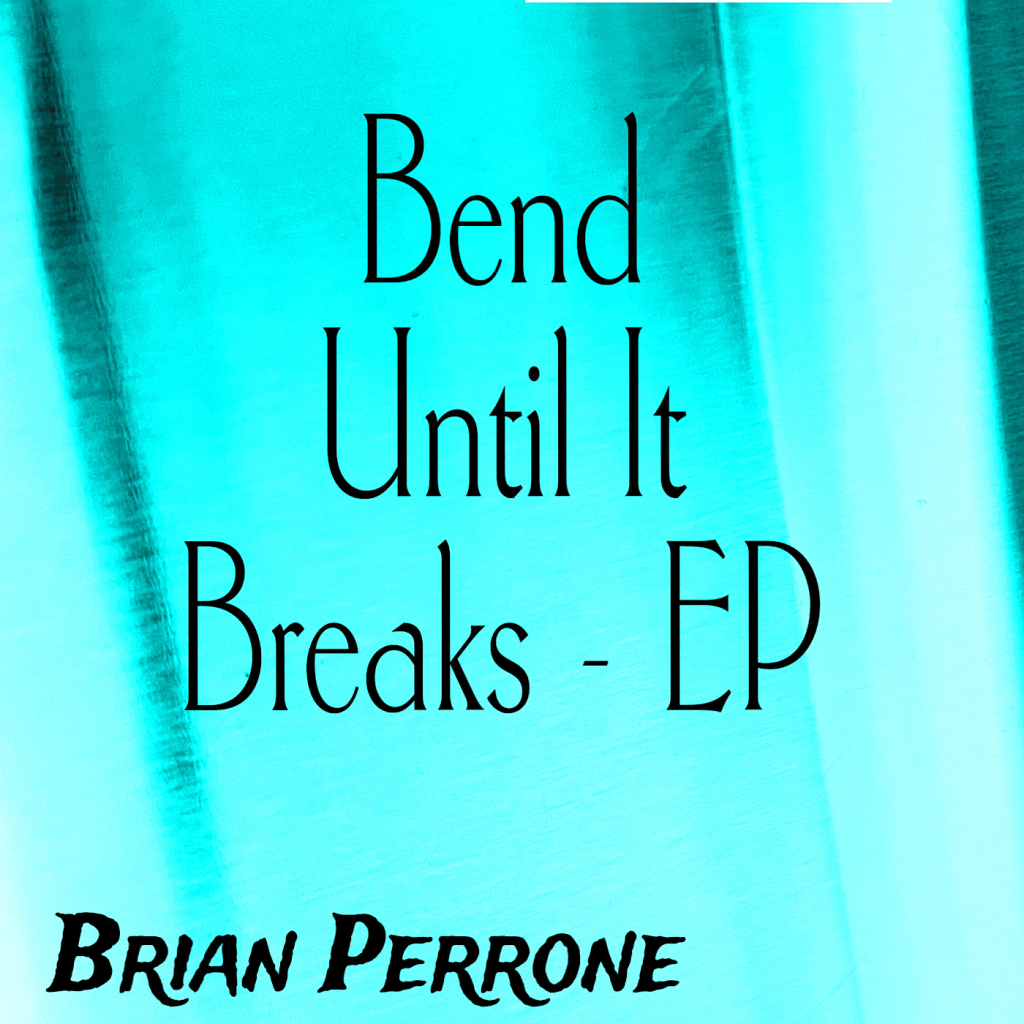
Opening title track “Bend Until It Breaks” establishes the collection’s central metaphor through imagery that captures psychological pressure without resorting to obvious breaking-point clichés. The lyrics examine how systems—personal, relational, societal—reach critical stress points where adaptation becomes impossible. Perrone’s treatment avoids both nihilistic despair and naive optimism, instead creating space for honest examination of how people navigate inevitable collapse.
The track’s exploration of falling “out of touch” and forgetting “how to feel” captures specific contemporary alienation while connecting to universal human experiences of disconnection. When Perrone describes the “enemy” as internal rather than external, he demonstrates psychological sophistication that elevates the material beyond simple complaint or blame.
“Need to Know” expands the collection’s exploration of uncertainty and searching through imagery that balances darkness with persistent hope. The repeated question “Is there someplace we can go? / Where grass is green and flowers grow” creates genuine longing without descending into escapist fantasy. The track acknowledges current circumstances while maintaining faith in possibility—difficult emotional balance that requires both honesty and courage.
The song’s examination of being “lost inside this maze” connects individual confusion with broader social disorientation, creating personal statement with universal resonance. Perrone’s ability to find specific language for common experiences demonstrates genuine songwriting skill.
Centerpiece track “It’s All Just Gone Away” functions as the collection’s emotional core, examining relationship endings through direct questioning rather than abstract metaphor. The repeated inquiry “Is there anything I can say to change your mind?” captures the desperate rationalization that accompanies romantic loss while acknowledging its ultimate futility.
The track’s examination of how “something end[s] with no sound” provides particularly effective image for relationship dissolution—not dramatic explosion but quiet disappearance that leaves confusion rather than closure. This insight demonstrates Perrone’s ability to find accurate language for complex emotional experiences.

“It Doesn’t Have to Be This Way” introduces tentative hope into the collection’s darker territory without compromising its essential honesty. The repeated assertion that conflicts can be resolved reflects genuine desire for reconciliation while acknowledging the obstacles that prevent easy solutions. The track creates space for possibility without guaranteeing outcomes.
The song’s exploration of how “opinions matter” more than facts in relationship dynamics shows understanding of how personal conflicts operate differently from logical problems. This recognition provides foundation for genuine wisdom rather than superficial advice.
Closing track “Let Me Go” provides appropriate resolution by examining the necessity of release when attachment becomes destructive. The track’s direct address—”If you don’t love me anymore, let me go”—demonstrates emotional maturity that prioritizes honesty over comfort. The repeated request for freedom creates dignity within vulnerability.
The song’s acknowledgment of trying “to be someone who I’ll never be” addresses the exhaustion that comes from sustained emotional performance within failing relationships. This recognition provides foundation for genuine self-acceptance rather than bitter resignation.
The production work by Tony Hamera (The Blueflowers) at Tempermill Studio in Ferndale, MI deserves particular recognition. His guitar tone and riffs weave through every track, creating the album’s distinctive sonic character. Hamera’s dual role as collaborator and engineer allows the intimate scale to serve the material’s introspective nature while his guitar work provides the dynamic range that prevents monotony. The partnership between Perrone’s songwriting and Hamera’s instrumental contributions creates cohesive artistic statement that feels both personally authentic and sonically unified.
The collection’s positioning between The National and The Smiths proves apt without feeling imitative. Perrone has absorbed influences while developing distinctive voice that serves his specific emotional territory. The dark, haunting qualities mentioned in promotional materials emerge organically from honest content rather than calculated atmospheric choices.
Bend Until It Breaks succeeds because it treats relationship difficulty as ongoing process requiring sustained attention rather than crisis demanding immediate resolution. The EP acknowledges that some problems cannot be solved through effort alone while maintaining dignity and hope within acceptance of limitation.
The planned promotion of “It’s All Just Gone Away” demonstrates strategic thinking—the track provides accessible entry point into the collection’s deeper territory while maintaining the emotional complexity that defines Perrone’s artistic approach. This balance positions the EP for both commercial and critical success.
 B-Side Guys
Leave a Reply