
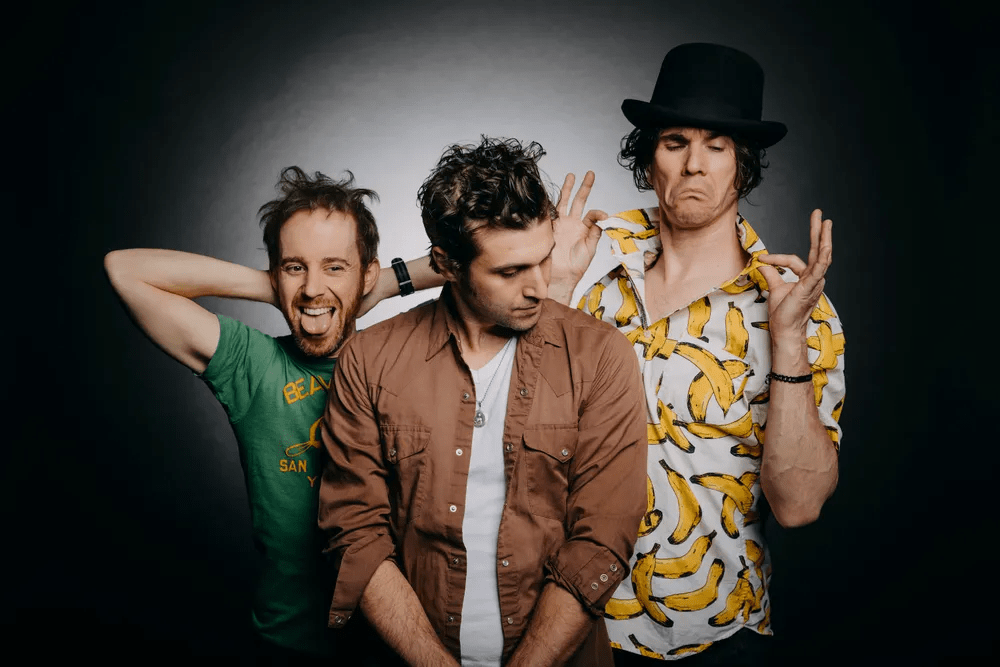
Adam Silvestri’s evolution from solo Boston artist to Los Angeles trio leader demonstrates how geographic relocation can fundamentally reshape creative perspective. “Dream” emerges from Radiator King’s new lineup with Brian Viglione and Alexander Burke, channeling observations of sex workers near their rehearsal space into radio-ready alternative rock that treats marginalized subjects with dignity rather than exploitation.
The collaboration between Silvestri, Dresden Dolls co-founder Viglione, and multi-credit keyboardist Burke creates musical foundation sophisticated enough to support complex social commentary. Ted Hutt’s Grammy-winning production experience shows through arrangements that balance thunderous percussion with shimmering organ textures, understanding that effective message songs require musical accessibility without sacrificing artistic integrity.
Silvestri’s lyrical approach to Hollywood’s underbelly avoids both sensationalism and sanitization. Rather than using sex work as edgy subject matter or moralizing platform, he presents it as economic reality within larger system of limited opportunities. The line “pay or be paid” operates as matter-of-fact observation rather than judgment, acknowledging survival strategies without romanticizing difficult circumstances.
The track’s hopeful twist prevents it from wallowing in urban despair while maintaining honesty about systemic inequalities. Silvestri’s examination of “what leads people down different paths” suggests empathy-driven songwriting that recognizes individual agency within structural constraints. This represents mature perspective that avoids both victim-blaming and deterministic fatalism.
Radiator King’s new collaborative writing process shows through the song’s dynamic range and layered arrangements. Rather than showcasing individual virtuosity, the trio creates collective sound that serves the material’s emotional needs. Their shared experience in various professional contexts translates into cohesive artistic vision rather than competing musical personalities.
“Dream” succeeds by treating difficult subject matter as worthy of artistic attention without exploiting it for shock value. Sometimes the most radical artistic act is simply acknowledging the humanity in everyone’s struggles.
 B-Side Guys
Leave a Reply