
Time has a sound—not the mechanical tick of clocks, but the warm grain of human voices carrying memory across decades. Eli Lev understands this intimately, crafting Past Lives as something more ambitious than traditional folk storytelling. The second installment in his Three Worlds Project, arriving October 8th, transforms family oral history into contemporary song, creating a 22-minute experience that feels simultaneously intimate and universal.
The EP’s most striking innovation lies in its use of actual ancestral voices woven throughout the compositions. These aren’t samples or recreations; they’re authentic recordings of Lev’s relatives—Bubbe Sarah, Uncle Ben, Aunt Evelyn—sharing their memories, their accents, their particular ways of shaping words. Listening to Past Lives feels like discovering a trunk in the attic filled with letters and photographs, except the voices speak directly to you, bridging past and present with startling immediacy.
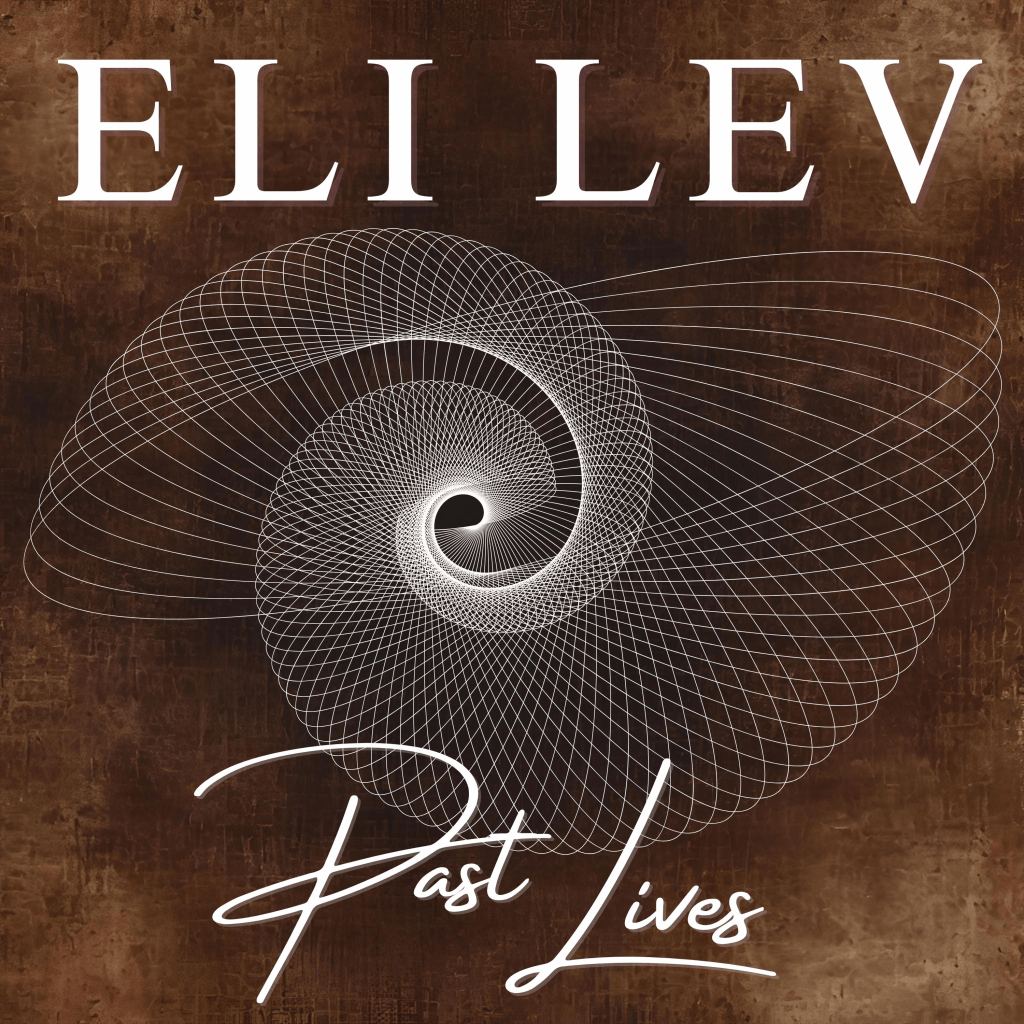
“Echo” opens the collection by establishing its temporal geography. Lev’s description of a world “washed in waves of time” provides the perfect framework for what follows—music that treats memory as living presence rather than nostalgic artifact. The track introduces listeners to voices that will return throughout the EP, creating familiarity that makes subsequent appearances feel like reunions with distant relatives. When Bubbe Sarah recounts her 1892 birth in Poland, her voice carries the weight of witness, grounding Lev’s contemporary folk arrangements in historical specificity.
The production choices throughout demonstrate sophisticated understanding of how to integrate these vocal elements without overwhelming the musical content. The ancestral voices don’t function as mere ornamentation; instead, they provide rhythmic and emotional texture that enhances rather than distracts from the songs. This careful balance allows listeners to experience the recordings as natural extensions of Lev’s own storytelling rather than interruptions to it.
“Where We Come From” emerges as the EP’s most cinematic moment, painting migration and labor with broad strokes that honor both Jewish and Appalachian roots. Lev’s songwriting here demonstrates remarkable ability to make personal history feel universally relevant. Uncle Ben’s descriptions of farm life and mill work in the American South provide concrete imagery that grounds more abstract concepts of heritage and legacy. The track functions as modern folk anthem that invites listeners to examine their own foundational stories.
The album’s emotional architecture builds carefully toward its centerpiece, “Our Friends.” This meditation on grief and remembrance transforms mourning into celebration, treating departed loved ones as continuing presence rather than absence. Lev’s assertion that “those who are no longer seen / Are just as real as you and me” feels particularly powerful within the EP’s context of ancestral voices. The line suggests that recorded memories might function as their own form of resurrection, making the dead present through sound and story.
“Who I Was” represents the collection’s most philosophically ambitious track, exploring identity across time and incarnation. Lev channels multiple lives—heroes, refugees, mill workers, movie stars—creating a tapestry of experience that suggests continuity beyond individual existence. The ancestral recordings here provide perfect counterpoint to these metaphysical explorations, grounding abstract concepts in concrete family history.
“My Wish Was You” offers the EP’s most whimsical moment, exploring romantic dreams and road-life fantasies with characteristic warmth. The track demonstrates Lev’s ability to find profound meaning in ordinary experience, treating personal relationships as part of the larger story of human connection across generations. The ancestral voices here provide perspective on how love and longing remain constant even as circumstances change.
What makes Past Lives particularly affecting is how it treats family history as both specific and universal. These are Lev’s relatives, sharing their particular stories, but their experiences—immigration, labor, love, loss—reflect broader human patterns. The EP functions as invitation for listeners to consider their own ancestral voices, the stories that shaped them, the heritage that continues to influence present choices.
The listening experience feels like sitting at a kitchen table while older relatives share stories, except the stories are set to music that enhances rather than competes with their natural rhythms. Lev’s folk-pop sensibility provides contemporary accessibility while the ancestral recordings add depth that rewards careful attention. This isn’t nostalgia for its own sake; it’s active engagement with how past experiences continue to shape present understanding.
Past Lives succeeds because it understands that the most effective art often emerges from the intersection of personal and universal experience. Lev has created something that honors his own heritage while inviting listeners to examine theirs, using family history as foundation for broader cultural conversation. The result feels both deeply intimate and broadly resonant, suggesting that individual stories might contain universal truths.
As the second movement in Lev’s Three Worlds Project, Past Lives establishes compelling foundation for the forthcoming Future Myths. If this EP explores where we come from, it creates anticipation for how those origins might influence where we’re heading. The ancestral voices that populate these songs suggest that past, present, and future might be more connected than contemporary culture typically acknowledges.
 B-Side Guys
Leave a Reply