
Collaboration becomes compositional philosophy when Jamie Leeming explores how musical partnerships mirror the nature of change itself through sparse autumnal arrangements and spectral production techniques. “Thinking of Yesterday” unfolds with deliberate patience, allowing Kaya Thomas-Dyke’s silken vocals to emerge from Leeming’s descending guitar patterns like memories surfacing from subconscious depths. This approach to neo-soul prioritizes atmospheric development over immediate gratification, creating space for genuine emotional complexity.
Alfa Mist’s production and keyboard contributions provide crucial foundation that demonstrates how successful creative partnerships enhance rather than overshadow individual artistic voices. His involvement feels organic rather than imposed, supporting Leeming’s vision while adding textural layers that reference their previous collaborative history without repeating it. The production choices reflect vintage recording techniques inspired by Milton Nascimento and Egberto Gismonti, creating warmth that modern digital approaches often sacrifice for clinical precision.
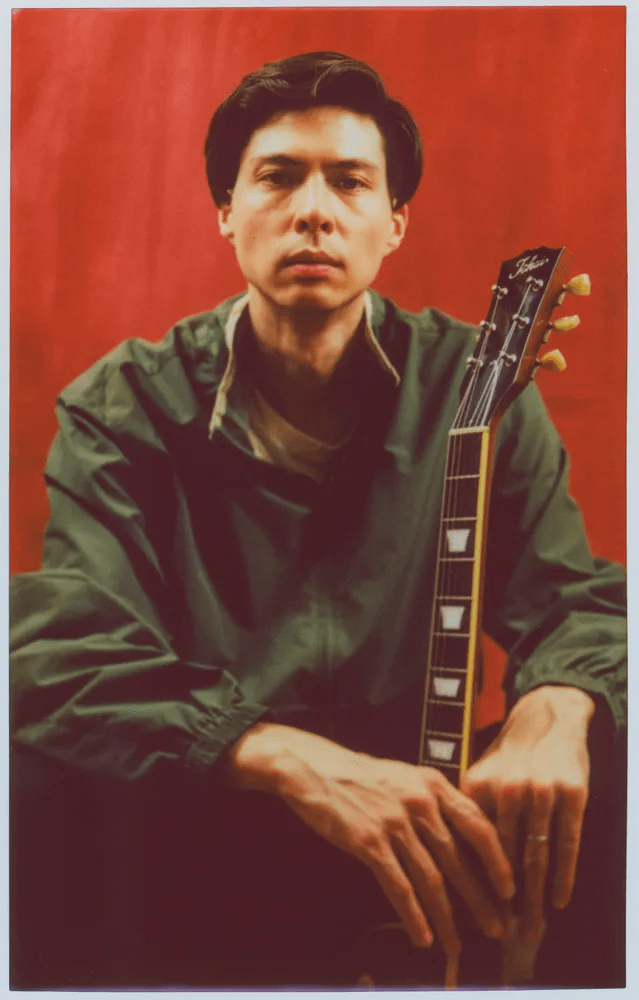
Thomas-Dyke’s vocal performance operates within the song’s ethereal framework without dominating the collaborative space. Her tones blend with the instrumental textures to create unified artistic statement rather than featuring vocalist supported by backing musicians. This democratic approach to arrangement reflects Leeming’s experience as key collaborator rather than traditional bandleader, understanding how individual contributions can serve larger creative vision.
The track’s exploration of temporal themes—thinking of yesterday while existing in present moment—manifests through musical choices that reference jazz tradition while embracing contemporary production possibilities. Leeming’s guitar work demonstrates technical sophistication without showboating, allowing melodic ideas to develop naturally rather than forcing dramatic moments for their own sake.
His evolution from Alfa Mist collaborator to solo artist becomes particularly compelling when examined through this track’s lens. Rather than rejecting his collaborative background to establish individual identity, Leeming uses partnership as creative methodology, suggesting that artistic maturity sometimes involves embracing interdependence rather than asserting independence.
The result captures something essential about how memory actually functions—not through sharp recall but through layered impressions that shift each time we access them.
 B-Side Guys
Leave a Reply