
When an album positions itself as both musical statement and evolving film, the risk of conceptual overreach looms large. Cam Be and Neak sidestep this trap entirely with A Film Called Black, a 47-minute exploration that justifies its cinematic ambitions through meticulous attention to sonic storytelling. This isn’t simply hip-hop with visual aspirations; it’s a multimedia project that understands how different art forms can enhance rather than compete with each other.
The album’s opening gambit, “Life in Black,” establishes its documentary approach through spoken testimonies that resist easy categorization. Rather than presenting a single authoritative voice on Black identity, the track creates space for multiple perspectives to coexist and contradict each other. This curatorial wisdom extends throughout the project—Cam Be and Neak position themselves as facilitators of conversation rather than sole narrators, understanding that their subject matter demands breadth beyond individual experience.
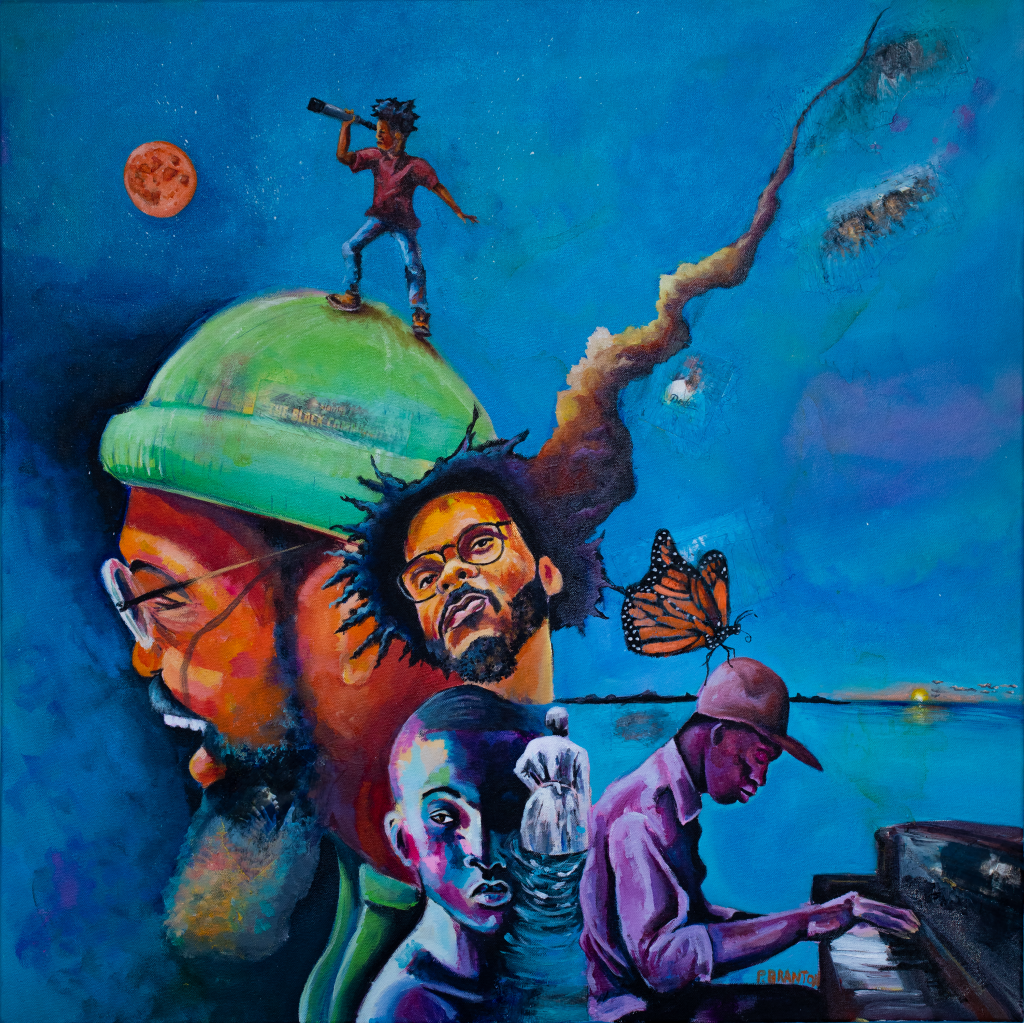
“Wade In The Water” immediately demonstrates the duo’s sophisticated understanding of musical lineage. The gospel foundation provides more than nostalgic texture; it serves as sonic archaeology, connecting contemporary struggles to historical resistance movements. The production choices here reveal the project’s central strength: every element serves narrative purpose without sacrificing musical integrity. The soul-hip-hop fusion doesn’t feel calculated or focus-grouped; instead, it emerges naturally from the artists’ backgrounds and the story they’re attempting to tell.
The collaboration with Skyzoo on “EyeWonder – Intro Flip” showcases how guest features function within the album’s broader framework. Rather than providing mere star power, Skyzoo’s contribution deepens the project’s exploration of cultural discrimination and black excellence. His lyricism complements the duo’s vision while maintaining his distinctive voice, creating the kind of artistic dialogue that elevates all participants. This approach to collaboration characterizes the entire project—features feel essential rather than opportunistic.
The album’s structural innovation becomes apparent through its interlude tracks: “Identity in Black,” “Celebrations in Black,” “Paradigm in Black,” “Transitions in Black,” and “Spirit in Black.” These spoken word interludes could easily feel like padding or pretentious interruption. Instead, they function as breathing space that allows listeners to process the dense musical content while advancing the project’s conceptual framework. Each segment approaches blackness from different angles—philosophical, celebratory, analytical—creating a multifaceted portrait that resists reduction.
“King’s Speech,” featuring Elisa Latrice and Add-2, exemplifies the album’s ability to balance personal narrative with broader cultural commentary. The track explores individual struggle within systemic constraints without losing sight of dignity and resilience. The production provides space for each vocalist to contribute meaningfully, with horn arrangements and drum programming that support rather than overwhelm the performances. This restraint in arrangement choices reflects mature artistic vision that prioritizes communication over display.
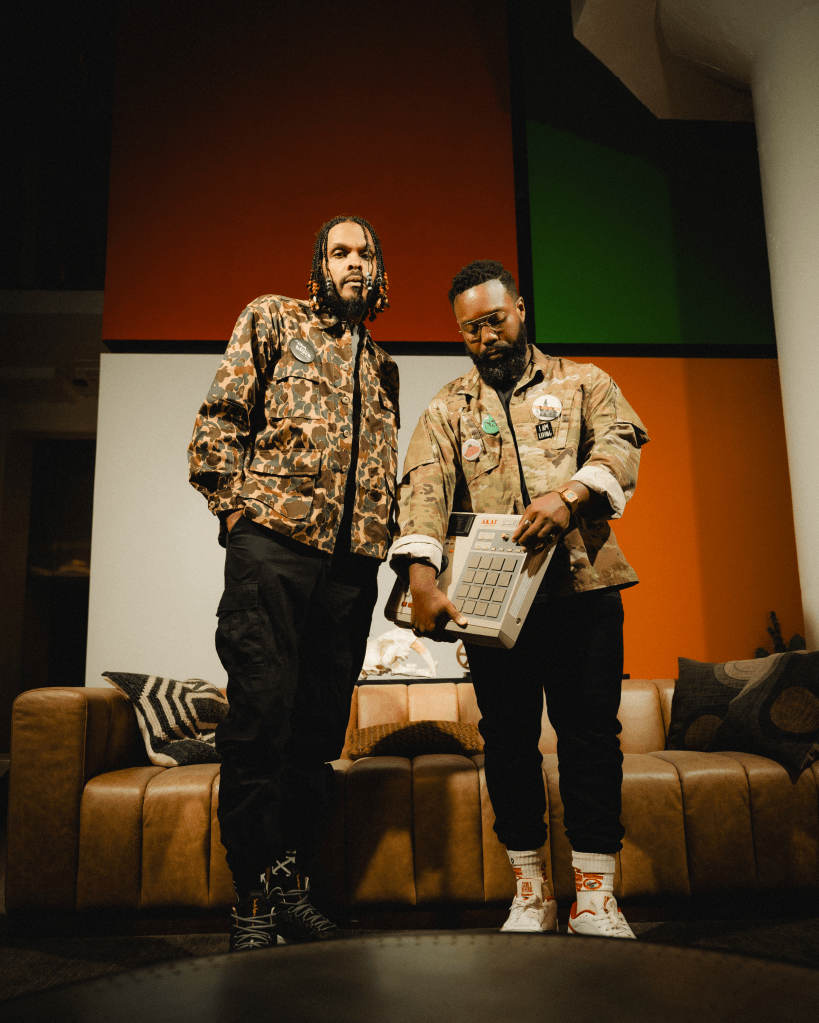
The project’s middle section—”Salutations” through “Change”—maintains momentum while exploring different emotional territories. “Salutations” with Oliv Blu creates genuine celebration without ignoring complexity, while “Buttafly” brings J. Ivy and Johnny Burgos together for examination of transformation and growth. The genre-blending approach here feels organic rather than forced, with Motown soul, funk, and contemporary R&B elements serving the songs rather than showing off the artists’ range.
“Take7” and “God Complex” represent the album’s most challenging moments, directly confronting systems designed to stifle creativity while examining the psychological effects of persistent struggle. These tracks avoid both victim mentality and false empowerment, instead finding space for honest assessment of contemporary realities. The inclusion of Avery R. Young on “God Complex” adds another layer of Chicago artistic community, reinforcing the project’s collaborative ethos.
The album’s sonic palette consistently serves its cinematic aspirations without sacrificing musical autonomy. Live instrumentation integrates seamlessly with sample-based production, creating textures that feel both immediate and timeless. The horn sections, string arrangements, and gospel choirs never feel like window dressing; instead, they provide essential emotional coloring that supports the project’s narrative arc.
“Change” functions as the album’s emotional centerpiece, using lush orchestration to examine evolution within Black American experience. The track’s jazz influences don’t feel like historical recreation; instead, they suggest continuity between past innovation and present creativity. This approach to musical heritage characterizes the entire project—honoring tradition while pushing boundaries.
The final third maintains the album’s high standards while providing appropriate resolution. “Better,” featuring Rashid Hadee and Sam Thousand, offers reflection on personal growth within collective struggle, while “Motherland” creates a powerful conclusion through its ensemble approach. The closing track’s recruitment of Yaw, Nashon Holloway, THISISSHEBA, and Simone Yael creates community that extends beyond individual artistic achievement.
What makes A Film Called Black particularly remarkable is how it balances ambition with accessibility. The conceptual framework never overwhelms the music’s immediate impact, while the dense thematic content rewards careful attention without punishing casual listening. This balance suggests artists who understand their audience and respect their intelligence.
The album succeeds as both musical achievement and cultural statement because it refuses to separate these functions. Cam Be and Neak have created work that advances artistic conversation while providing genuine entertainment, examining serious subject matter without sacrificing joy or celebration. In treating Black identity as both specific experience and universal human condition, they’ve crafted something that speaks beyond its immediate community while honoring its particular roots.
A Film Called Black establishes new possibilities for concept albums in hip-hop and soul music, demonstrating how multimedia ambitions can enhance rather than distract from musical achievement. Most importantly, it proves that groundbreaking art emerges from authentic engagement with important subjects rather than calculated attempts at significance.
 B-Side Guys
Leave a Reply