
The art of the cover song has evolved far beyond simple interpretation—today’s most compelling artists treat existing material as raw ingredients for complete reconstruction. On “Covers 2,” Jackson Breit demonstrates mastery of this alchemical process, transforming eight tracks into genre-blending experiments that justify the four-year wait since his debut covers collection achieved over 50 million streams. This isn’t mere nostalgic tribute; it’s musical archaeology that unearths unexpected connections between seemingly incompatible artists.
Released June 20th, this 30-minute collection showcases remarkable evolution in both Breit’s vocal development and production sophistication. Self-produced throughout, each track functions as individual statement about the malleability of popular music while contributing to cohesive artistic vision that transforms familiar songs into something entirely new.
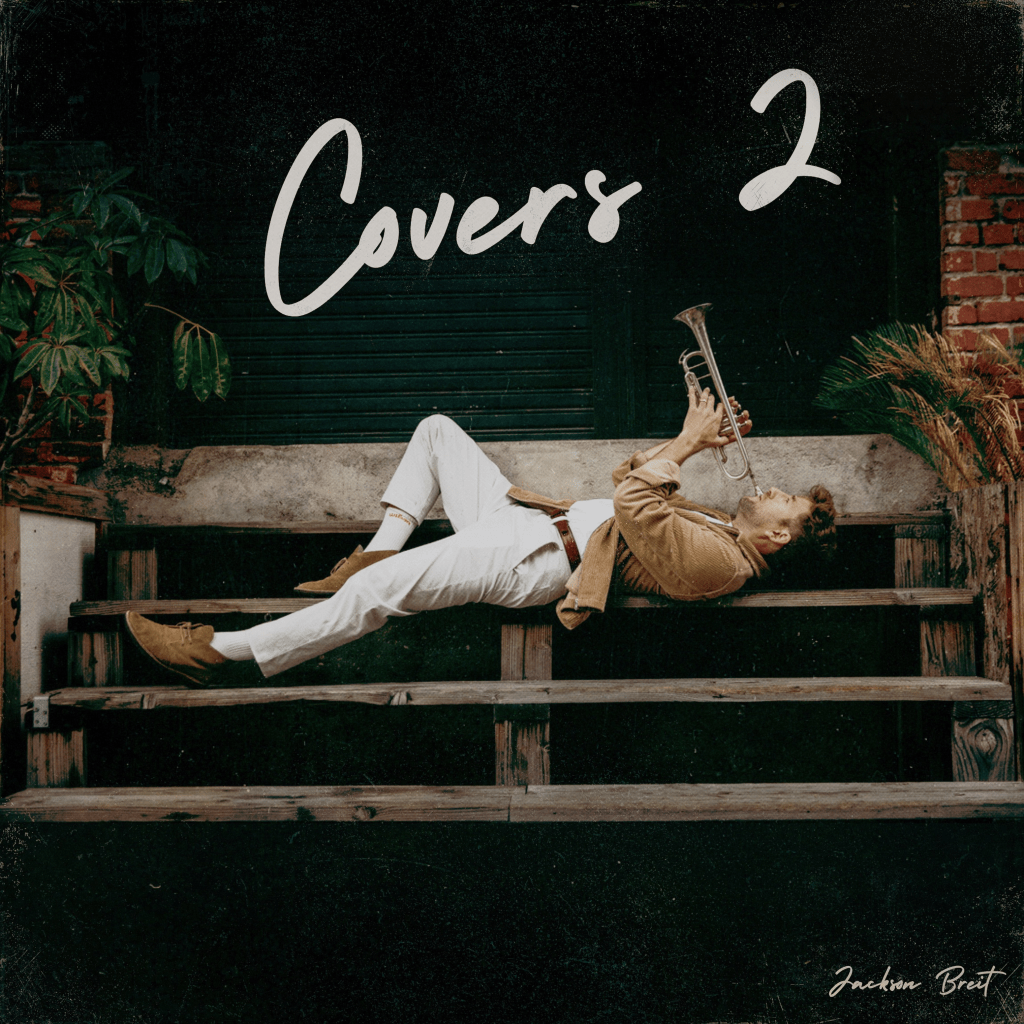
Opening track “Lovin On Me (The Joker)” immediately establishes the album’s audacious approach by fusing Jack Harlow’s contemporary trap sensibilities with Steve Miller Band’s classic rock mythology. The juxtaposition initially seems impossible—Harlow’s braggadocious energy existing in completely different universe from Miller’s laid-back psychedelia. Yet Breit discovers unexpected common ground through rhythmic manipulation that maintains both songs’ essential character while creating hybrid that transcends either source.
The production here demonstrates significant growth since the first “Covers” project. Where earlier work occasionally felt constrained by reverence for source material, Breit now approaches covers with confidence that allows genuine transformation. His vocals navigate between Harlow’s rapid-fire delivery and Miller’s melodic flow, proving range that extends far beyond mere imitation.
“Blinded By The Light (Mrs. Officer)” continues this genre-colliding approach through seemingly impossible fusion of Manfred Mann’s progressive rock anthem and Lil Wayne’s explicit rap. The track succeeds through Breit’s understanding that effective mashups require identifying emotional rather than merely musical connections. Both songs explore themes of overwhelming attraction and loss of control—Breit amplifies these shared elements while allowing musical differences to create productive tension.
“Tweaker (Kiss Kiss)” demonstrates Breit’s gift for finding contemporary relevance within classic material, though the specific source tracks prove less immediately recognizable. The title suggests exploration of addiction or obsession, themes Breit addresses through production choices that create sonic equivalent to the psychological instability being described.
Lead single “That’s So True (You Make My Dreams)” emerges as the collection’s masterpiece, fusing Gracie Abrams’ introspective pop with Hall and Oates’ infectious optimism, finished with subtle Daft Punk electronic flourishes. As one reviewer noted, this represents “funky pop mashup” at its finest—difficult art form that Breit executes with remarkable sophistication.
The track succeeds because Breit identifies shared DNA between seemingly different songs: both Abrams and Hall & Oates excel at transforming personal experience into universal communication. His production enhances this connection while adding contemporary electronic elements that update the sound without diminishing its emotional impact. The result justifies comparisons suggesting Breit has surpassed established mashup artists, creating something that “feels more than exceptional.”

“Chop Suey! (Creep)” presents the album’s most audacious experiment, combining System of a Down’s metal intensity with Radiohead’s alternative melancholy. The pairing initially seems impossible—Serj Tankian’s manic energy existing in completely different emotional universe from Thom Yorke’s introspective alienation. Yet both songs explore themes of self-loathing and social disconnection, providing foundation for Breit’s remarkable synthesis.
His vocal performance here demonstrates particular growth, navigating between SOAD’s aggressive dynamics and Radiohead’s subdued vulnerability without sacrificing either song’s essential character. The production maintains metal’s rhythmic intensity while incorporating Radiohead’s atmospheric textures, creating fusion that honors both traditions while establishing something entirely new.
“Don’t Think Twice, It’s All Right” provides necessary breathing room through its more straightforward interpretation of Bob Dylan’s classic. Rather than attempting mashup approach, Breit allows the song’s inherent complexity to guide his arrangement, proving his ability to honor source material when it serves artistic vision.
“Joy Of My Life (K.P. & M.T.)” returns to mashup territory through combination that remains cryptic in its sourcing but clear in emotional impact. The track explores romantic celebration through multiple musical lenses, creating layered perspective that enhances rather than dilutes individual elements.
Closing track “Walk Away – Acoustic (feat. Paula DeAnda)” provides appropriate conclusion through its more intimate approach. The collaboration demonstrates Breit’s understanding that covers work best when they serve larger artistic conversation rather than mere technical display. DeAnda’s contributions add perspective that enhances the material while maintaining focus on Breit’s distinctive interpretation.
Throughout “Covers 2,” Breit proves that successful cover artists must possess more than technical skill—they need curatorial vision that identifies unexpected connections while respecting source material’s integrity. His evolution since the first “Covers” project reflects growing confidence in his own artistic voice, allowing him to take greater risks while maintaining the accessibility that generated 50 million streams.
The album succeeds as both entertainment and artistic statement, proving that covers albums can function as original creative works when approached with sufficient imagination and technical skill. Breit has created something that serves multiple audiences simultaneously: casual listeners seeking familiar melodies presented in fresh ways, and serious music fans interested in the possibilities of creative reinterpretation.
As streaming numbers for his previous work suggest broad audience appreciation for this approach, “Covers 2” positions Breit as leading voice in contemporary cover artistry—an artist capable of honoring musical history while pushing toward future possibilities through fearless creative synthesis.
 B-Side Guys
Leave a Reply