
Sometimes artistic breakthrough requires complete breakdown first. On his Kill Rock Stars debut “Greetings from Echo Park,” Ryan Cassata transforms years of accumulated trauma—physical illness, systemic oppression, personal isolation—into 51 minutes of raw musical catharsis that functions simultaneously as survival document and rallying cry. This isn’t just an album; it’s evidence of what becomes possible when an artist stops swallowing pain and starts spitting it back up as art.
Released June 6th, this 14-track collection finds Cassata channeling influences from Bruce Springsteen (whose “Greetings from Asbury Park” inspired the album art) to Lana Del Rey into a genre-defying exploration of queer identity, chronic illness, and the complicated mathematics of staying alive in hostile environments. As an artist who’s been recognized as the first openly-trans performer at Vans Warped Tour and praised by Billboard as “a true force in the industry,” Cassata arrives at this album with hard-earned credibility and nothing left to hide.
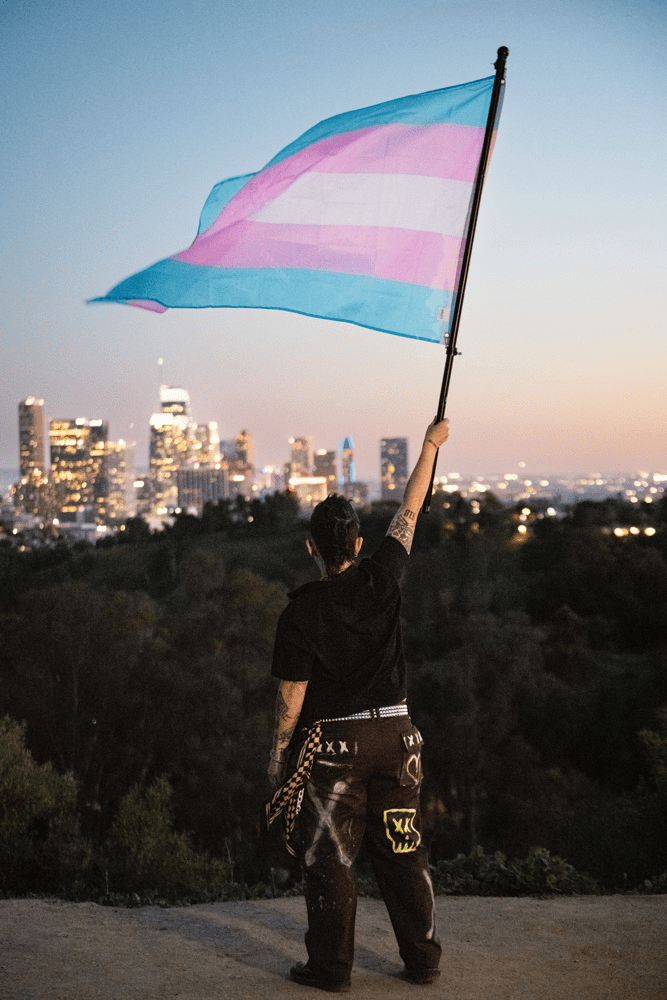
Opening track “i feel like throwing up” immediately establishes the album’s unflinching approach to difficult subject matter. Written during battles with autoimmune illness and Lyme Disease coinfections, the song transforms physical nausea into metaphor for the exhaustion of existing as marginalized person in America. The production, featuring collaborators like David Scott Stone (Melvins, LCD Soundsystem) and Mark Pelli from MAGIC!, creating sonic urgency that matches the lyrical desperation while maintaining enough melody to prevent the darkness from becoming overwhelming.
“a Knack for Overthinking” emerges as perhaps the collection’s most universal offering, its exploration of anxiety resonating beyond specific demographics while maintaining Cassata’s distinctive perspective. The emo pop-punk arrangement provides perfect vehicle for lyrics that capture intrusive thoughts’ relentless nature: “I’ve got a knack for overthinking, tip me over so you can stop the shout.” This ability to transform internal chaos into external communication demonstrates why Cassata has earned recognition from The Advocate Magazine as a “transgender singing sensation.”
“if you ever leave long island” channels what another reviewer aptly described as “Cassata’s inner Oasis,” its anthemic quality providing necessary breathing room within the album’s more intense moments. The track demonstrates Cassata’s range as performer, proving equally comfortable with intimate confession and stadium-sized declaration. This versatility reflects his extensive live experience—over 650 performances nationwide and internationally, including prestigious venues like Jazz at Lincoln Center and SXSW.
The album’s midsection showcases remarkable emotional and musical range. “My Body’s My Home” strips arrangements down to acoustic essentials while addressing body autonomy with characteristic directness. The song’s tender approach to potentially inflammatory subject matter demonstrates Cassata’s maturity as songwriter—he understands that sometimes whispered truths carry more impact than shouted manifestos.
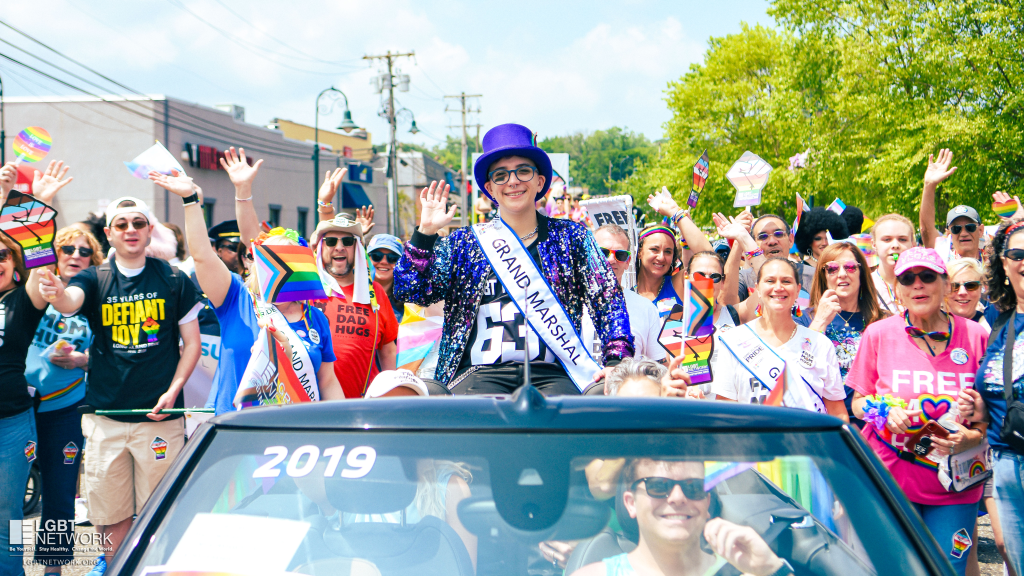
This sensitivity becomes particularly evident when examining Cassata’s approach to love songs. “Bad Things” explores romantic complexity through AutoTune-influenced pop production that enhances rather than obscures emotional content. As Cassata explains, “Queer love songs are protest songs. Whenever we’re loud about it, it’s a protest to me.” This political framework transforms individual relationships into broader statements about visibility and acceptance.
“If You’re Not Dead Yet, Will You Be My Friend?” arrives as one of the album’s most devastating tracks, its title capturing the desperate mathematics of survival within queer and trans communities facing disproportionate violence and suicide rates. The song recounts what sounds like harrowing tour through hostile territory, transforming specific experience into universal meditation on friendship, loyalty, and simple persistence in face of systemic hatred.
The track’s direct, unvarnished approach to difficult subject matter demonstrates Cassata’s ability to address complex issues without resorting to sloganeering or oversimplification. This straightforward honesty distinguishes Cassata from less sophisticated political musicians, proving his ability to create meaningful commentary through authentic personal expression rather than abstract theorizing.
“QUEER american DREAM” serves as the album’s ideological centerpiece, its blues-influenced arrangement providing perfect backdrop for Cassata’s sneering examination of American mythology. “I spent hours and hours thinking of oppressors in power/Like when will I be free?/I been preaching since I was a teen/But when you’re queer, there’s no American dream,” he declares, transforming personal frustration into broader indictment of societal promises that exclude entire populations.
The production throughout demonstrates sophisticated understanding of how different musical styles can serve emotional and political content. Collaborators like Jason Hiller and Mark Pelli (MAGIC!) contribute textures that enhance rather than distract from Cassata’s vision, creating cohesive sound despite the album’s stylistic diversity.
“HOWL (Protest Song)” and “Queer Love Outlaw” form the album’s climactic pairing, the former delivering rollicking political anthem while the latter provides more contemplative examination of the costs associated with authentic living. Both tracks demonstrate Cassata’s growth since his early releases, showing increased confidence in addressing difficult subjects without sacrificing musical accessibility.
Closing track “Halfway House” provides heartbreaking conclusion through its meditation on mortality in the age of fentanyl crisis: “Will any of my friends be left when I grow old?/Well, I don’t know, well, I don’t know/God’s been taking them all one by one.” This acknowledgment of systematic loss within marginalized communities creates devastating emotional impact while maintaining hope for survival and connection.
Throughout “Greetings from Echo Park,” Cassata demonstrates why Paper Magazine included him on their “50 LGBTQ Musicians You Should Prioritize” list. This album functions as both artistic achievement and political statement, proving that the most effective activism often emerges from authentic expression rather than calculated messaging.
For artist who has spent years advocating for transgender visibility and LGBTQ+ rights, this album represents remarkable synthesis of personal and political elements. Cassata has created music that serves his community while remaining accessible to broader audiences, achieving rare balance between specificity and universality that marks genuine artistic accomplishment.
 B-Side Guys
Leave a Reply