
There exists a particular kind of album that functions less as entertainment and more as psychological document—raw transmissions from artists willing to excavate their darkest territories without anesthesia. Post Death Soundtrack’s fifth full-length “In All My Nightmares I Am Alone” belongs to this rare category, presenting 30 tracks across 90 minutes of unfiltered human experience that transforms personal breakdown into artistic breakthrough.
Calgary-based Stephen Moore has created something resembling an urgent magazine clipping threat tied to a rock and thrown through a window—his own description that perfectly captures the album’s desperate intensity. Following 2024’s critically acclaimed “Veil Lifter,” a doom metal/grunge exploration that earned features on Doom Charts and year-end recognition, Moore pivots dramatically toward chaotic territory that recalls Nirvana’s “Incesticide” and Jeff Buckley’s posthumous “Sketches for My Sweetheart the Drunk” in its commitment to rawness over polish.
Opening track “Tremens” establishes immediate discomfort, literally recorded while Moore experienced delirium tremens—a potentially fatal alcohol withdrawal condition with 15% mortality rate. The track’s industrial abrasion and feral energy create sonic equivalent to medical emergency, with Moore’s crushing vocal performance conveying genuine terror rather than manufactured darkness. This unflinching honesty about mental health crisis sets the album’s uncompromising tone.
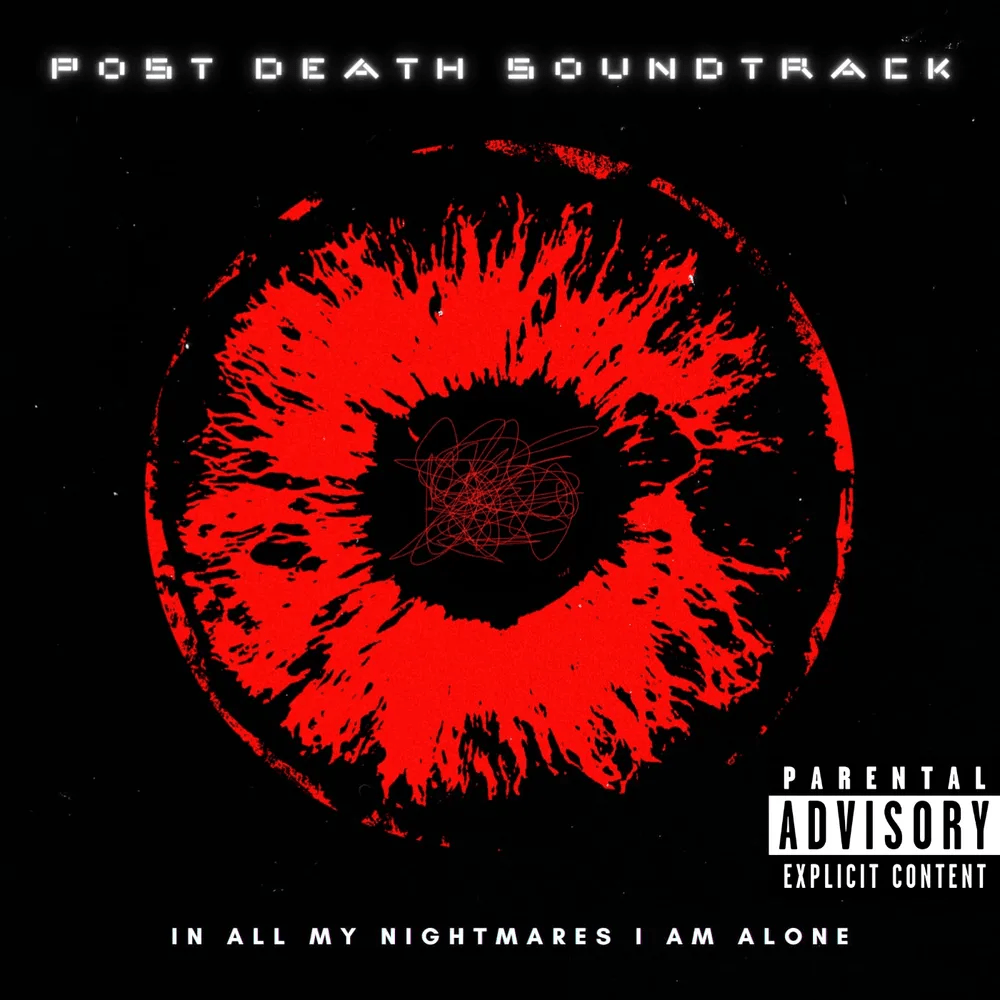
“Good Time Slow Jam (In All My Nightmares I Am Alone)” continues the opening assault with Nine Inch Nails-influenced industrial fury, its ironic title belying contents that explore isolation’s psychological cost. The production maintains clarity despite aggressive sonics, ensuring Moore’s philosophical lyricism penetrates the noise. This balance between brutality and intelligibility becomes crucial throughout the collection’s more extreme moments.
“A Monolith of Alarms” emerges as ideological centerpiece, its Frontline Assembly-influenced arrangement supporting lyrics that explain Post Death Soundtrack’s mission: “You see all the voiceless, abandoned and sick / Forgotten the beacon…I light the wick.” Moore positions himself as chronicler of society’s discarded, transforming personal trauma into universal communication through “uncensored walk directly through intensive trauma.”
The album’s cover versions provide necessary breathing space while demonstrating Moore’s interpretive gifts. His “Venus in Furs” appropriately subverts Velvet Underground’s original through darker production that enhances rather than competes with Lou Reed’s vision. More surprising is “River Man,” recorded in Moore’s apartment in 2010 after discovering Nick Drake’s “sensitivity and knack for communicating dark things through surreal lyricism.” The performance’s imperfections enhance rather than diminish its emotional impact, creating centerpiece that balances the collection’s more aggressive elements.
“Crawling King Snake” offers altogether unpredictable take on The Doors’ version of John Lee Hooker’s blues classic, while covers of Tom Waits tracks “God’s Away on Business” and “What’s He Building in There?” demonstrate Moore’s understanding that successful interpretation requires transformation rather than imitation. These choices reveal broad musical literacy that informs even the album’s most experimental moments.
The collection’s emotional core emerges through tracks addressing loss and grief. “Something Stirs,” partially based on campfire story “Who Has My Golden Arm?” and Moore’s experience having kittens stolen during a robbery, transforms specific trauma into archetypal horror. “We Fall” provides devastating meditation on losing someone integral, its brevity making impact more rather than less powerful.
“Song for Bonzai” serves as instrumental tribute to Moore’s recently deceased cat, originally titled “Song of Joy” before circumstances transformed its meaning. The track’s beauty emerges from genuine mourning rather than manufactured sentiment, proving Moore’s ability to find grace within devastation. This dedication to Bonzai—described as having “too much goodness for this Earth”—provides necessary reminder that vulnerability and strength often coexist.
The album’s acoustic tracks, including “Reckless Fever,” “Oversoul,” “Start This Over,” and “Surrender,” showcase Moore’s Leonard Cohen influences through existential longing expressed via spare arrangements. These moments demonstrate remarkable dynamic range for project primarily associated with industrial heaviness, proving emotional complexity requires varied musical approaches.

Recent 2025 recordings like “Final Days” deliver full-on punk rock with rockabilly insanity, imagining apocalypse through slightly comedic lens while honoring Refused and Swing Kids’ vicious energy. “Hypnotizer” riffs on Led Zeppelin’s Eastern influences while addressing media and emotional illiteracy, creating hooks that serve message rather than mere catchiness.
Closing track “In All My Nightmares I Am Alone” provides thematic resolution without artificial closure, acknowledging that psychological work remains ongoing process rather than completed journey. The album’s title phrase recurs throughout as mantra that transforms isolation from curse into artistic fuel.
What distinguishes this collection from self-indulgent trauma processing is Moore’s commitment to craft alongside catharsis. Despite addressing addiction, mental health crisis, theft, animal loss, and relationship destruction, the album maintains focus on communication rather than mere venting. Each track serves larger artistic vision while honoring specific emotional truth.
For 30-track, 90-minute collection, “In All My Nightmares I Am Alone” maintains remarkable cohesion through Moore’s distinctive voice and uncompromising vision. The sprawling length proves necessary for complete emotional exorcism rather than self-indulgent excess, creating rare document of artist willing to risk genuine vulnerability for artistic authenticity.
Moore currently works on new material with industrial/doom project HE IS ME alongside Portland collaborator Casey Braunger, suggesting continued evolution while maintaining commitment to unflinching honesty. “In All My Nightmares I Am Alone” stands as powerful testament to art’s capacity for transforming personal darkness into universal illumination—difficult listen that rewards those willing to engage with its uncompromising vision.
 B-Side Guys
Leave a Reply