
Friendship possesses its own mythology—stories we tell ourselves about loyalty, loss, and the people who shape us across decades of shared experience. On the self-titled “Alex McCulloch EP,” the Toronto-based artist transforms these personal mythologies into six intimate songs that function as love letters to “friends, who I will love forever, and who I will see again in paradise.”
Recorded between 2022 and 2025, this 23-minute collection emerges from McCulloch’s hands-on approach to creation—writing, producing, engineering, and mixing everything herself alongside collaborator Davey White. The DIY aesthetic serves the material perfectly, creating intimate atmosphere where every guitar strum and vocal inflection feels deliberate rather than polished into anonymity.

Opening track “Empty House” establishes the EP’s emotional territory through domestic imagery that transforms familiar spaces into emotional archaeology. McCulloch’s vocals carry distinctive vulnerability reminiscent of early Bruce Springsteen—fitting given that Springsteen’s 1987 album “Tunnel of Love” heavily influenced this project. The production incorporates ’80s synth elements and Motown vocal techniques McCulloch discovered through studying the Supremes, creating nostalgic foundation that supports rather than overwhelms the songwriting.
“Lidstoner” emerges as the collection’s emotional centerpiece, serving as tribute to Gord Downie of The Tragically Hip. The track demonstrates McCulloch’s gift for transforming fan appreciation into genuine artistic expression, avoiding typical hero worship through specific details about shared experiences and personal connection. Lines about Downie visiting during McCulloch’s mother’s death create intimacy that transcends typical celebrity tribute, while hockey metaphors (“You’re like Wayne Gretzky, many goals but more assists”) capture Downie’s collaborative spirit with Canadian vernacular.
The production here benefits from McCulloch’s commitment to emotional honesty over technical perfection. As someone who studied guitar at Toronto’s Twelfth Fret and vocals with blues artist Carolyn T, McCulloch understands that technique serves expression rather than replacing it. Her approach recalls the fragmentary beauty of albums like Nirvana’s “Incesticide” and Jeff Buckley’s “Sketches for My Sweetheart the Drunk”—collections that prioritize authenticity over commercial appeal.
“Gregory” provides necessary breathing room through its minimalist arrangement and abstract lyrical approach. The track’s reference to Gregory Alan Isakov and self-help author Melody Beattie creates unexpected philosophical framework while maintaining musical accessibility. McCulloch’s harmonica work here adds textural interest without overwhelming the delicate songwriting, demonstrating restraint that distinguishes thoughtful artists from those who mistake complexity for depth.
“Drum Circle” explores unrequited attraction through detailed character study that avoids both idealization and cynicism. The track’s exploration of creative jealousy and romantic longing resonates with anyone who’s navigated relationships within artistic communities. McCulloch’s delivery balances confidence with vulnerability, acknowledging desire while respecting boundaries—emotional maturity that enhances rather than diminishes the song’s impact.
“Angel” shifts toward more straightforward romantic territory while maintaining the EP’s commitment to emotional specificity. The arrangement incorporates horn work by Sean McCarthy that adds Motown-influenced richness without feeling anachronistic. This successful integration of influences demonstrates McCulloch’s ability to synthesize diverse musical elements into cohesive personal style.
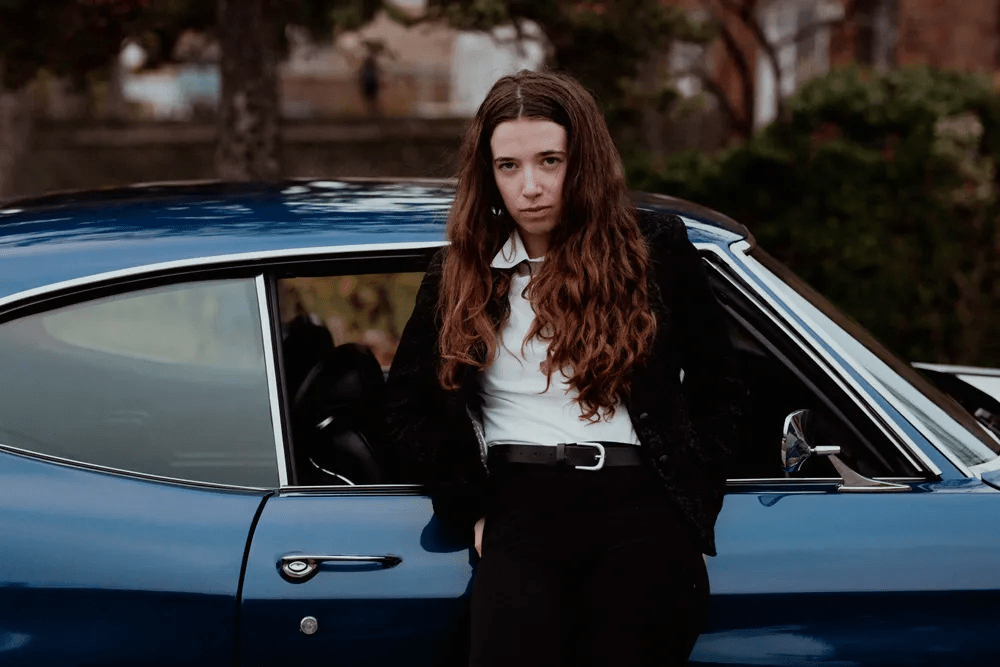
Closing track “Silver Spoon” provides appropriate resolution through its examination of class and privilege within urban relationships. The narrative structure—following characters through late-night encounters—showcases McCulloch’s storytelling abilities while addressing social issues through personal lens. The production maintains intimate quality that makes even the most universal themes feel deeply personal.
Throughout the EP, McCulloch’s battle with complex PTSD adds weight to material that might otherwise seem merely confessional. Her acknowledgment that “creativity shoves its way into my life even when I’ve locked the door” explains the compulsive quality that drives these songs beyond simple autobiography toward genuine artistic expression.
The collaborative elements—including contributions from Matthew Lawrence on keys and Cristian Ciota on drums—enhance rather than distract from McCulloch’s distinctive voice. The mastering by Fedge Mastering provides clarity while preserving the organic quality essential to the material’s emotional impact.
For an artist who describes herself as “quite a spontaneous person,” this EP demonstrates remarkable artistic focus. McCulloch has created a collection that honors her stated commitment to writing “only about things that I actually care about” while maintaining musical accessibility that invites rather than excludes listeners.
McCulloch celebrated the EP’s release with a launch party at Toronto’s Cameron House on Friday, June 6th, providing perfect opportunity for audiences to experience these intimate songs in the kind of supportive community environment that clearly nurtured their creation. Beyond this celebration, she continues monthly performances at the Black Swan Tavern, establishing herself as an artist worth following closely through Toronto’s vibrant music scene.
“Alex McCulloch EP” stands as testament to friendship’s transformative power and music’s capacity for preserving what might otherwise be lost to time—exactly the kind of honest documentation the world needs more of.
 B-Side Guys
Leave a Reply