
Some experiences resist articulation precisely because they’ve become so pervasive we mistake them for natural law. On her debut EP “Finding It Hard to Explain Something So Obvious,” Nathania Rubin’s Agora Sci-Fi project excavates the “torturous parts of everyday life we hate, but don’t notice,” transforming ambient societal dysfunction into 20 minutes of lo-fi revelation that feels both deeply personal and universally recognizable.
Released June 5th, this five-track collection operates through the fictional persona of “Z”—a recently released prisoner whose wealthy family administers memory-erasing treats to obscure crucial details of her own history. This dystopian framework provides perfect vehicle for examining how capitalism systematically obscures its own mechanisms, making critique difficult precisely because the system has become invisible through omnipresence.

Opening track “Portals” establishes the EP’s sonic and thematic territory through hazy production that mirrors cognitive dissonance created by living within systems designed to confuse rather than clarify. Rubin’s vocals emerge from layers of atmospheric processing, creating distance that paradoxically enhances intimacy—we’re hearing thoughts filtered through institutional interference, authentic emotion struggling against external manipulation.
The lo-fi aesthetic here serves conceptual purpose beyond mere style choice. The slightly degraded sound quality suggests information transmitted through compromised channels, memories partially obscured by pharmaceutical intervention, truth filtered through media manipulation. This production approach transforms what might be budget limitation into artistic statement about communication under late-stage capitalism.
“sloppy” follows with deliberately unpolished arrangements that refuse professional sheen in favor of emotional authenticity. The track’s exploration of personal disorganization within systematically chaotic society demonstrates Rubin’s gift for finding political implications within intimate experience. Her indie rock sensibilities surface through guitar work that balances accessibility with experimental edge, creating music that invites rather than alienates while maintaining artistic integrity.
“Tabs” emerges as perhaps the collection’s most direct commentary on pharmaceutical culture and digital overwhelm—the endless browser tabs and chemical dependencies that define contemporary existence. The song’s structure mirrors its thematic content through fragmented verses that never quite resolve, creating musical equivalent to attention deficit induced by information overload and chemical intervention.
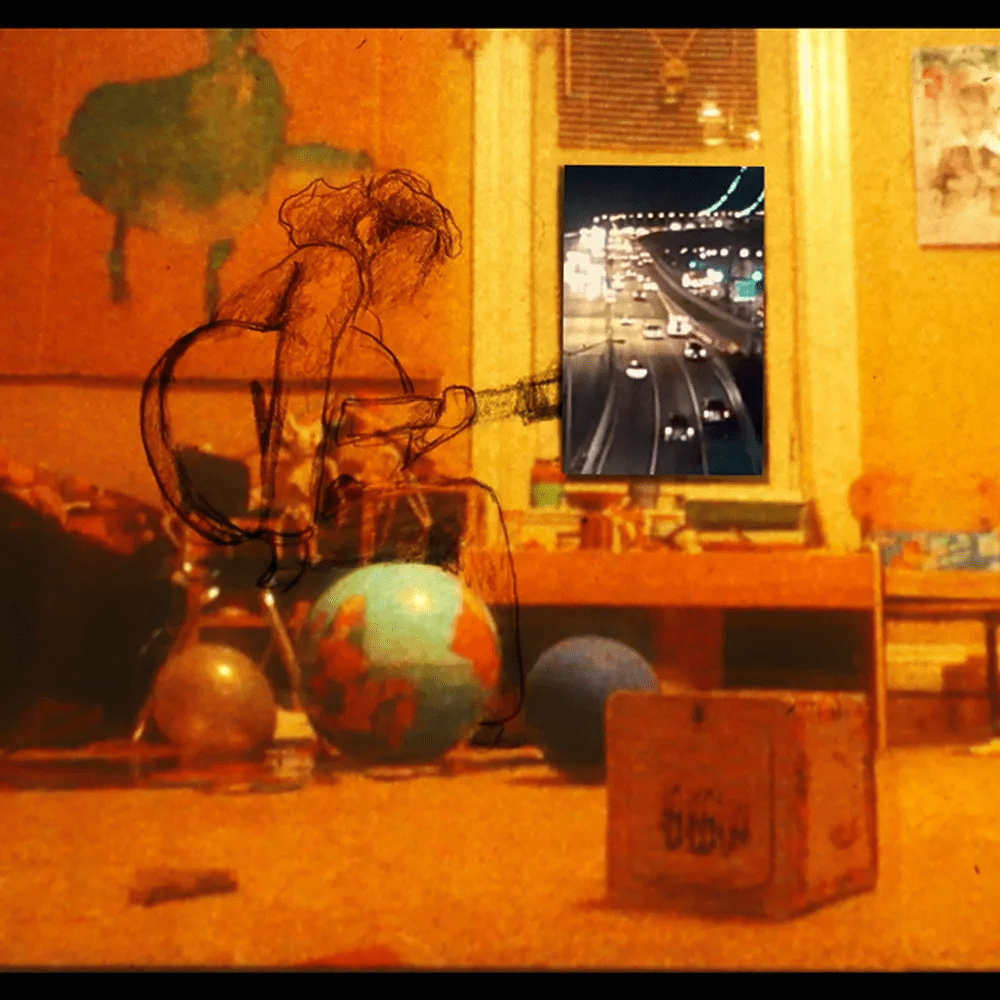
Rubin’s background as singer-songwriter, artist, and animator (most recently designing the music video for Advance Base’s “The Tooth Fairy”) informs her understanding of how different media forms can enhance rather than compete with musical content. The visual thinking evident in her animation work translates into songs that create specific atmospheric environments rather than merely providing entertainment.
“for Jandek” provides the EP’s most explicit musical reference, acknowledging the influence of Sterling Smith’s decades-long outsider art project. This dedication proves fitting—like Jandek, Agora Sci-Fi operates outside conventional industry expectations, prioritizing artistic vision over commercial viability. The track’s experimental approach honors this influence while maintaining Rubin’s distinctive perspective.
The dedication also suggests broader aesthetic philosophy—valuing persistence and authenticity over immediate accessibility. Jandek’s decades of consistent output despite critical bewilderment provides model for artistic practice that refuses external validation, creating work according to internal logic rather than market demands.
Closing track “to be free” brings the collection full circle while refusing simple resolution. The title suggests liberation while the musical content acknowledges the difficulty of achieving genuine freedom within systems designed to prevent it. Rubin’s vocals here carry particular weight, suggesting that naming the problem represents necessary first step toward addressing it.
The track’s lo-fi production creates intimate atmosphere that makes even the most abstract political concepts feel personally relevant. This ability to transform systemic critique into emotional experience distinguishes Agora Sci-Fi from more didactic political music, creating art that changes perception rather than merely confirming existing beliefs.
Throughout the EP, the character of Z serves as perfect vehicle for examining contemporary alienation. Her swimming in the “sludgy East River at night” becomes metaphor for finding beauty and freedom within compromised environments, while her family’s memory manipulation reflects broader cultural amnesia about historical alternatives to current systems.
What makes “Finding It Hard to Explain Something So Obvious” particularly compelling is its refusal to provide easy answers or false optimism. Instead, Rubin creates space for recognition and reflection, trusting listeners to draw their own conclusions about the conditions she documents. This respectful approach to audience intelligence enhances rather than diminishes the work’s political impact.
For debut release, the EP demonstrates remarkable artistic maturity and conceptual sophistication. Rubin has created music that functions simultaneously as entertainment, political commentary, and psychological exploration—rare achievement that suggests significant potential for future development.
As society becomes increasingly adept at obscuring its own dysfunction through technological and pharmaceutical means, artists like Agora Sci-Fi provide essential service by naming what remains deliberately unnamed. “Finding It Hard to Explain Something So Obvious” succeeds by making the invisible visible, transforming ambient horror into specific, addressable concerns through carefully crafted musical communication.
 B-Side Guys
Leave a Reply