
Musical archaeology requires no actual artifacts. London six-piece Slumber’s “1993 (Shake It)” operates through deliberate historical fabrication, creating convincing sonic portrait of an era they openly admit to romanticizing beyond recognition. This approach—”pseudo-nostalgic” in their own words—becomes more honest than typical retro-fetishism precisely because it acknowledges its own artificial construction, transforming ignorance about the past into creative license for the present.
The band’s evolution from their debut single “Julian Casablancas (I Wanna Rock A Pair Like)” reveals artistic growth through strategic abandonment of safety. Where their initial release relied on “indie sleaze sparkle,” this track embraces what they describe as “messier, louder” territory that prioritizes visceral impact over polished reference-making. This shift suggests a group comfortable enough with their own identity to stop performing someone else’s version of cool.
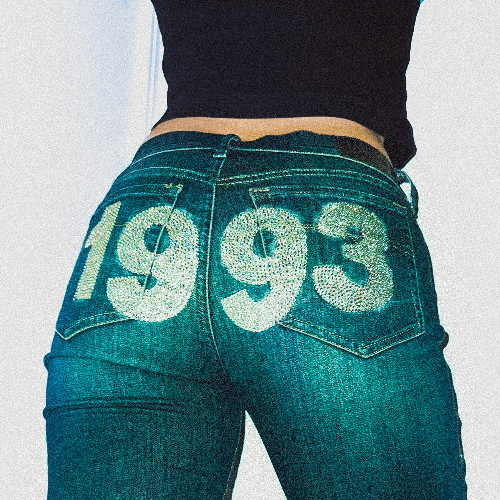
Slumber’s production choices create atmosphere where feedback becomes melody and distortion functions as rhythm section. The described “fog of feedback and blown-out saturated vocals” establishes sonic environment that feels genuinely unstable rather than carefully crafted to appear dangerous. This aesthetic approach serves the track’s thematic exploration of constructed nostalgia—if you’re going to pretend 1993 was sexier than it actually was, the music itself should embody that same kind of productive self-deception.
The band’s admission that they “have no idea if people shook their booties in 1993, but I’m gonna pretend they did” reveals sophisticated understanding of how cultural memory actually operates. Rather than researching historical accuracy, they’re creating the version of the past that serves current emotional needs, transforming ignorance into creative opportunity. This approach feels more genuine than typical period fetishism because it acknowledges its own construction.
Perhaps most effectively, “1993 (Shake It)” captures the specific confidence that emerges when artists stop trying to impress external validators. The description of leaving “anxieties of trying to impress the cool kids at the door” reflects in the musical choices—sounds that prioritize immediate physical impact over critical approval. This liberation from taste-making hierarchies allows the track to achieve the very coolness it stopped actively pursuing.
The London group’s trajectory from BBC Introducing attention through sold-out Sebright Arms and George Tavern shows suggests an audience hungry for music that prioritizes physical response over intellectual validation. Their “Slumber Party” club nights and accumulation of “Polaroids and hangovers” create cultural context where the music can function as actual social catalyst rather than mere aesthetic statement.
“1993 (Shake It)” succeeds because it treats historical inaccuracy as creative tool rather than artistic limitation. Through honest acknowledgment of their own temporal displacement, Slumber has created something that feels more authentic than careful period recreation—music that captures the emotional truth of nostalgia while remaining completely transparent about its own artifice.
 B-Side Guys
Leave a Reply