
Physical toil breeds existential questions. Few recent compositions capture this relationship as viscerally as Trevor Sensor’s “The Farm,” where manual labor becomes extended metaphor for thwarted ambition and spiritual reckoning.
Emerging directly from lived experience, Sensor explains the track originated while “working in a field…digging holes since morning” under the punishing summer sun. This autobiographical genesis infuses the composition with unvarnished authenticity often absent from romanticized portrayals of agricultural life. Rather than pastoral idyll, Sensor presents farmwork as inadvertent destination—the consequence of “following my dream too blindly” and making “a couple of wrong turns way back when.”
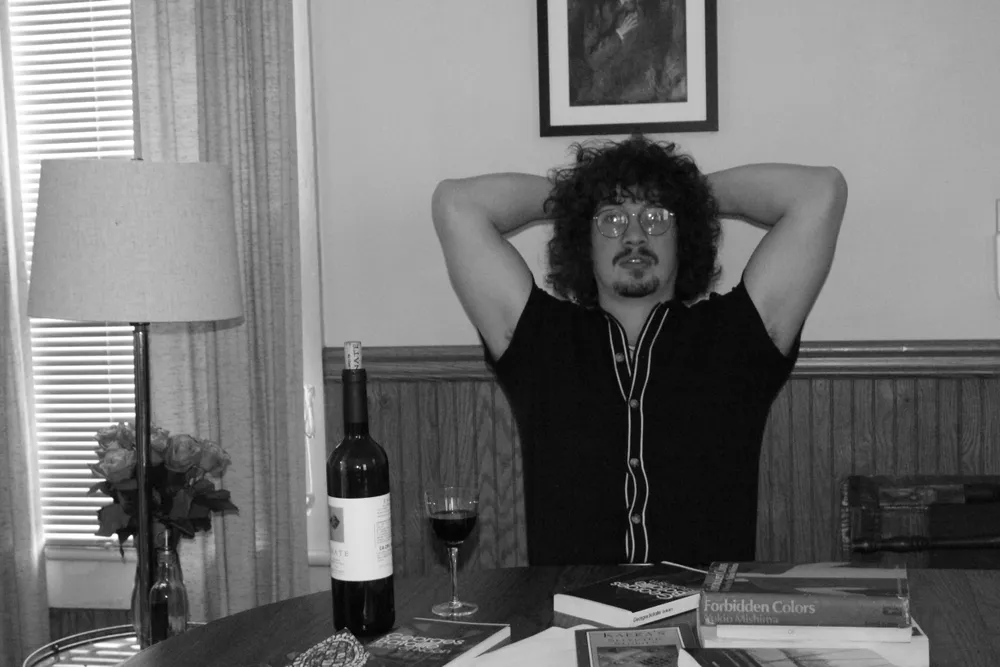
The Sterling, Illinois native’s distinctively husky vocals provide perfect vehicle for this meditation on circumstantial disappointment. Comparisons to Tom Waits and Bob Dylan—while inevitable given his literary approach to songwriting—undersell Sensor’s unique ability to transmute intellectual influences into visceral expression. Having studied literature and philosophy in Iowa, absorbing minds like Proust, Kierkegaard, Burroughs, and Kerouac, Sensor distills complex existential questions into direct vernacular without sacrificing conceptual depth.
The track’s central refrain—”How’d I ever end up working on the farm?”—functions simultaneously as literal question and metaphysical inquiry. This repetition creates cumulative power, transforming from bewildered observation to increasingly desperate existential plea. When juxtaposed against the recurring assertion that “spirit gonna grow,” these contrasting elements create productive tension between material limitation and spiritual potential.
Biblical imagery suffuses the composition, with references to sin, animal nature, and spiritual growth creating religious undertones that complement Sensor’s stated theme of “God is questioned.” The character Dupree (possibly referencing Marcel Dupree, the protagonist from Denis Johnson’s “Jesus’ Son”) functions as cautionary figure of degradation, someone the narrator resists being compared to despite recognizing their shared animal nature.
Particularly revealing is Sensor’s characterization of the accompanying video as “not an homage to the past but rather an acknowledgment to the meanness of plebeian existence.” This framing rejects nostalgic portrayal of working-class struggle, instead presenting unflinching view of contemporary economic realities where “hope is a novel concept.” His anecdote about the temp agency employee’s response to his aspirations—”We’re not really used to people with dreams around here”—provides devastating social context for the song’s personal narrative.
As the third in a lineage that includes Indiana-based label Jagjaguar’s earlier releases “Texas Girls & Jesus Christ” and “Starved Nights of Saturday Stars,” “The Farm” continues Sensor’s examination of American mythology and disillusionment. Where his debut full-length “Andy Warhol’s Dream” addressed celebrity culture’s empty promises, this latest offering excavates the quieter devastation of dreams deferred—not through spectacular failure but through the slow erosion of daily compromise.
 B-Side Guys
Leave a Reply