
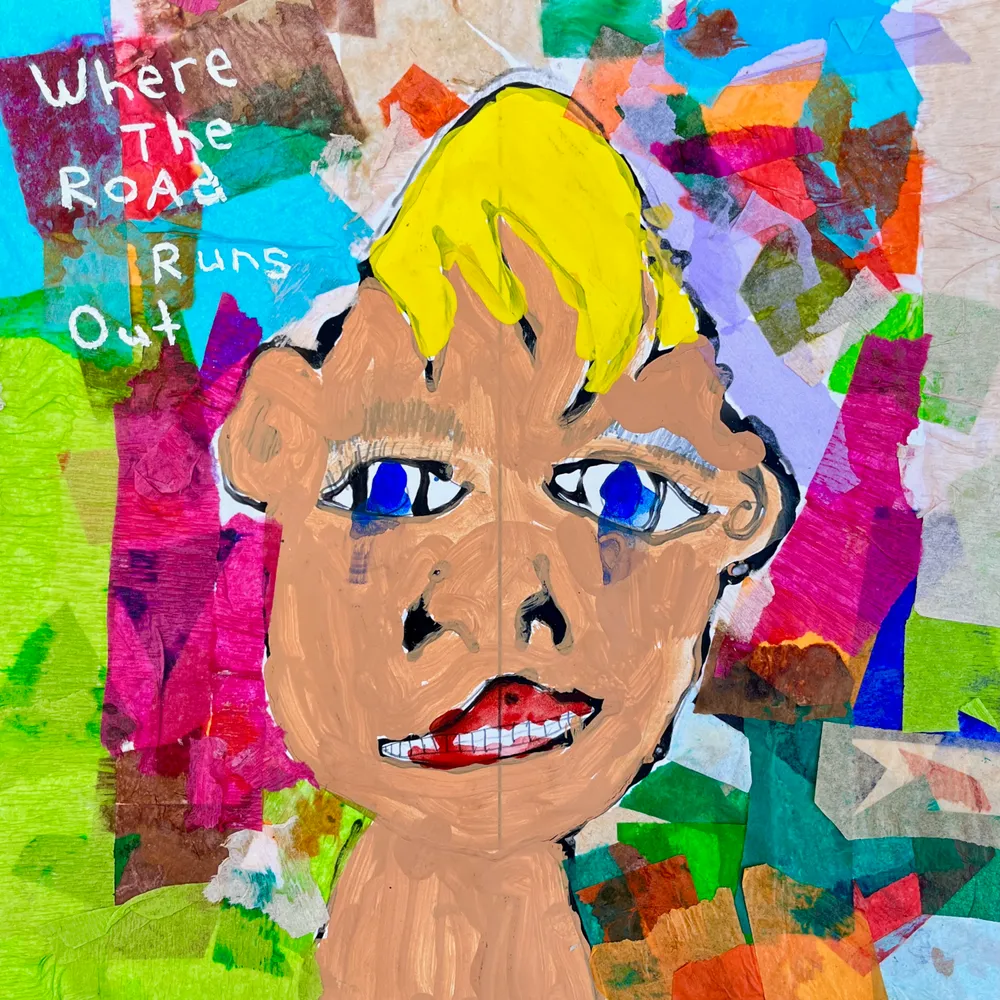
If folk music represents America’s rural soul and hip-hop embodies its urban heartbeat, Jake Cascade has discovered the hidden neural pathways connecting these seemingly disparate traditions. His sophomore album “Where The Road Runs Out” (releasing June 5th) exists in the borderlands between genres, states, and emotional conditions—a collection that refuses neat categorization while remaining remarkably cohesive in vision.
Describing the eight-track album as “bedtime stories for grown ups,” Cascade has created something rarer than mere musical experimentation. These songs function as modern parables—disarmingly simple on surface but containing philosophical depth for those willing to listen more closely. Recorded across New York City’s five boroughs in locations ranging from professional studios to subway stations and even Shake Shack restaurants, the album’s production mirrors its thematic exploration of finding meaning in unexpected places.
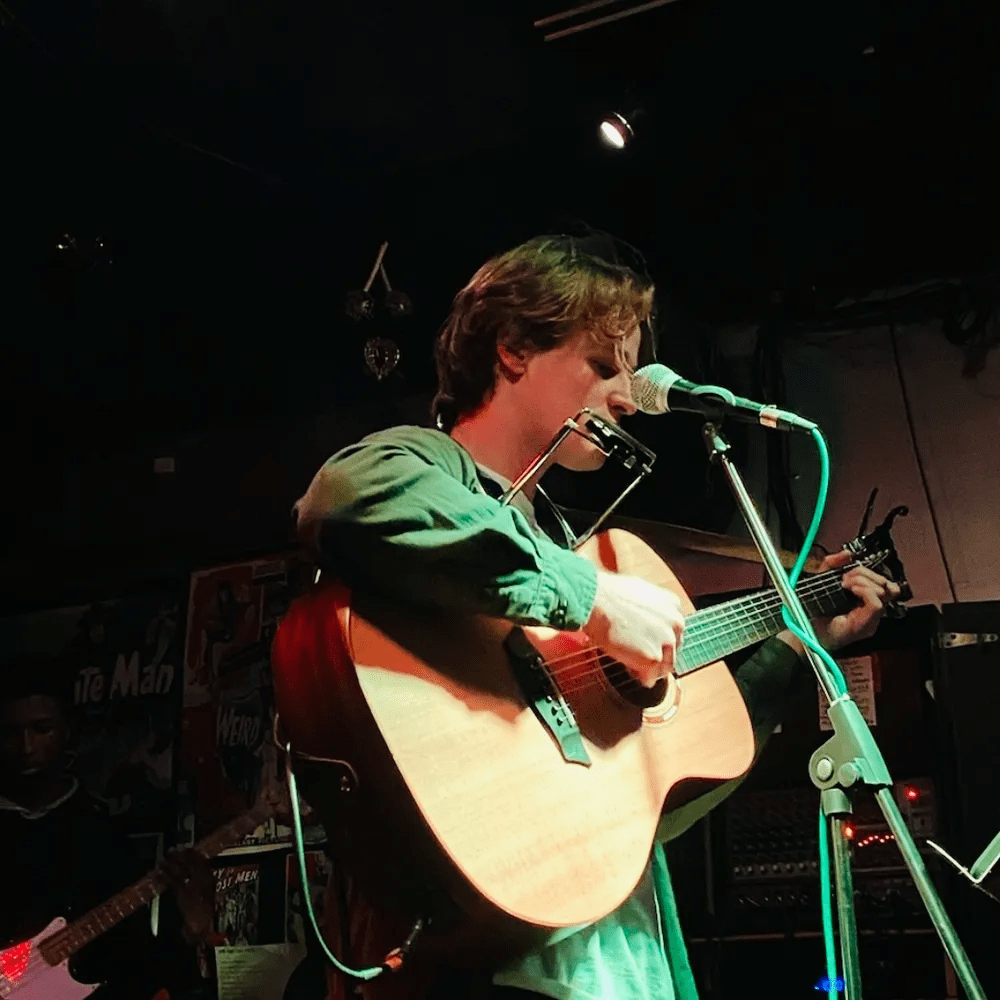
Opening track “We Never Spoke About It” establishes both musical and emotional framework immediately. Cascade’s voice—more spoken than sung—flows over finger-picked banjo and Simon Schenk-Mair’s restrained drums, creating rhythmic propulsion while maintaining folk intimacy. The narrative unfolds with novelistic precision, examining the things left unsaid between people and how silence eventually becomes its own language. Engineer Xavier Sinden captures both delicacy and tension, allowing breath and space to become vital components of the arrangement.
“Stud” follows with darker intensity, its title serving double duty as both masculine archetype and construction material. The song deconstructs traditional masculinity through carpenter metaphors, suggesting that conventional male identity often resembles structural elements—functional but largely invisible and taken for granted. Schenk-Mair returns on drums, providing subtle counterpoint to Cascade’s increasingly urgent delivery as the track builds toward its revelation that “even the strongest supports eventually splinter.”
Lead single “He Said, She Said, On a Plane” emerges as the collection’s centerpiece, a remarkable narrative experiment calls to mind overlapping dialogue between strangers seated together during flight. Cascade’s delivery shifts subtly, while Ajanee Smith’s bass and Zach Katz’s drums create the sensation of mechanical movement beneath the human drama.
“Gorls, Gorls, Gorls” provides necessary levity through its deliberately misspelled title and playful examination of modern dating. The track’s humor doesn’t come at the expense of insight, however, as Cascade navigates the contradictions of digital connection with both wit and compassion. Smith’s melodic bass work deserves particular mention, providing musical sophistication that prevents the track from devolving into mere novelty.
By mid-album, “Falling Forward” shifts toward more introspective territory, examining failure as necessary component of growth. Cascade’s lyrical approach here demonstrates his gift for transforming personal experience into universal relevance without sacrificing specificity. Katz’s drumming achieves perfect balance between technical proficiency and emotional responsiveness, creating foundation sturdy enough to support the narrative’s weight while remaining flexible enough to breathe with its emotional shifts.
“The Yu-Gi-Oh! Champion” initially seems like nostalgic indulgence but gradually reveals itself as sophisticated meditation on how childhood passions shape adult identity. The track’s references to the popular trading card game serve as entry point to deeper exploration of competition, community, and finding self-worth through specialized knowledge. Smith’s bass and Katz’s drums create propulsive momentum that mirrors the song’s thematic progression from specific memories toward broader human understanding.
Penultimate track “We Gotta Talk It Out” returns to the album’s central concern with communication, this time focusing on active resolution rather than passive silence. Engineered by Sinden, the song’s stripped-down arrangement places Cascade’s vocals front and center, creating intimacy that reinforces the lyrics’ emphasis on direct conversation. The production incorporates subtle environmental sounds from what appears to be actual dialogue, blurring boundaries between song and documentary.
Closing track “Tiny House Village” serves as perfect denouement, examining how physical spaces shape human connection. Katz’s drums here achieve remarkable restraint, providing rhythmic structure while allowing Cascade’s detailed storytelling room to unfold naturally. The song’s exploration of intentional communities serves as fitting conclusion to an album concerned with finding meaning through relationship rather than isolation.
Throughout “Where The Road Runs Out,” Cascade demonstrates uncommon ability to navigate between humor and gravity without diminishing either. His self-description as “not a rapper” reflects admirable self-awareness while underselling his gift for rhythmic phrasing and narrative flow. The album’s production, largely handled by Cascade himself with strategic collaboration, strikes ideal balance between lo-fi authenticity and careful craftsmanship.
For listeners exhausted by music that requires choosing between emotional depth and entertainment value, Cascade offers refreshing alternative. These eight tracks function equally well as engaging stories and philosophical inquiries, never sacrificing accessibility for profundity or vice versa. The Minnesota native’s transition to New York City has clearly influenced both perspective and sound, but without abandoning the directness and space inherent in his rural origins.
“Where The Road Runs Out” arrives as tantalizing preview of artist still discovering the full extent of his capabilities. By finding unexplored connections between traditionally separate musical traditions, Jake Cascade has created something genuinely distinctive—bedtime stories for grown-ups that reward both casual listening and deeper analysis, offering both temporary escape and permanent insight.
 B-Side Guys
Leave a Reply