
Some artists arrive fully formed; others invite us into their becoming. With her self-titled debut EP, Wellington-based Nicole Fyfe chooses the latter path—offering seven windows into an artistic evolution still beautifully in progress. Clocking in at just 26 minutes, this collection feels less like a definitive statement and more like an intimate sketchbook from a storyteller finding her voice in real-time.
“Nostalgia” opens the collection with gentle acoustic fingerpicking that gradually expands into fuller instrumentation, mirroring the way memories themselves unfold—first as fleeting impressions, then blooming into fully-realized sensory experiences. Fyfe’s voice possesses that rare quality of seeming both technically accomplished and emotionally unguarded, allowing listeners immediate access to the vulnerability underpinning her songcraft. When she reaches for higher notes in the chorus, there’s a slight tremor that speaks volumes about the bittersweet nature of looking backward.

The transition to “Soul” shifts the EP’s energy, introducing more pronounced percussion and electric elements while maintaining the folk foundation. Fyfe demonstrates remarkable restraint here, allowing space between phrases where lesser talents might rush to fill every moment. This breathing room becomes a character itself throughout the EP—negative space that invites listener interpretation. The production wisely follows her lead, creating an expansive atmosphere that never overwhelms the delicate melodic architecture.
“Little Bird” marks the first collaboration with featured artist David Fou, whose complementary vocals transform what might have been a solitary reflection into intimate dialogue. There’s a Canterbury folk influence here, with nature imagery serving as vessel for deeper explorations of freedom and constraint. The intertwining vocals during the bridge create textures reminiscent of early 70s Laurel Canyon harmonies while remaining distinctly rooted in New Zealand’s rich musical soil.
By the EP’s midpoint, “Unlearning” emerges as its thematic cornerstone—a meditation on shedding accumulated habits and perspectives that no longer serve. Here, Fyfe’s Blenheim-to-Wellington journey feels most palpable, the lyrics navigating territory between rural roots and urban reinvention. The production introduces subtle electronic elements that create productive tension against the organic instrumentation, embodying the very transformation she describes.
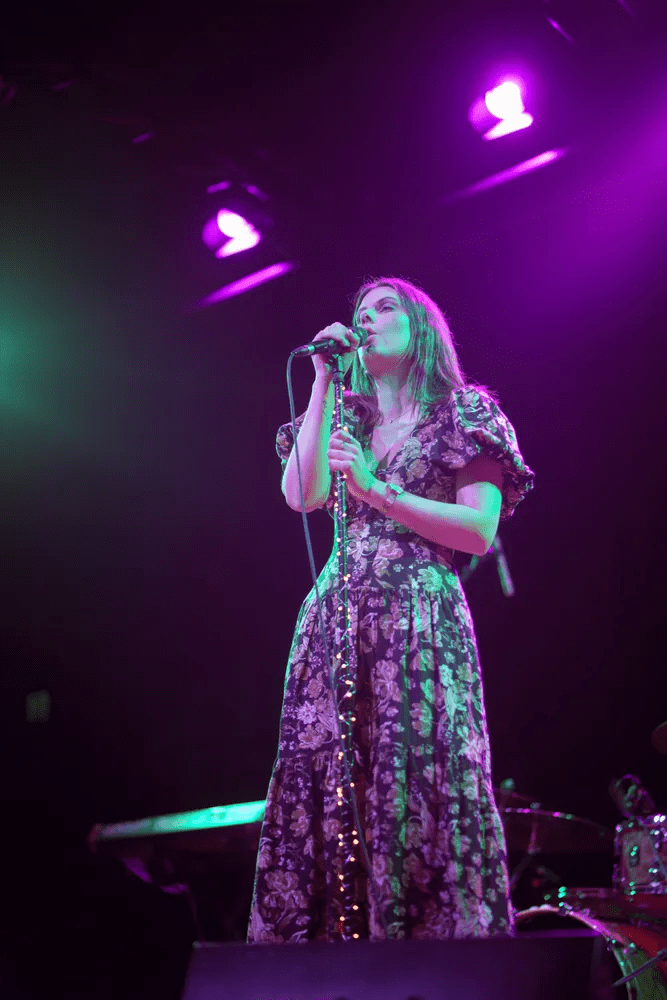
“The Lamb” represents the collection’s most daring compositional departure, with modal melodies suggesting Celtic influences while the arrangement incorporates elements that wouldn’t sound out of place on an early Sufjan Stevens recording. This track best demonstrates Fyfe’s genre agnosticism—her willingness to follow emotional truth rather than stylistic convention.
Fou returns on “Weird Things,” bringing playful energy that contrasts with the EP’s more contemplative moments. There’s charming idiosyncrasy in both the lyrics and melodic construction, suggesting Fyfe doesn’t take herself too seriously despite the emotional depth present elsewhere. This penultimate track provides necessary levity before the final offering.
“Dancing Through Fire” concludes the journey appropriately—a track that acknowledges struggle while refusing to be consumed by it. The arrangement builds methodically toward catharsis without resorting to predictable dynamic shifts, revealing Fyfe’s sophisticated understanding of emotional pacing. When the final notes fade, there’s a sense of having witnessed something authentic rather than manufactured—a quality increasingly rare in contemporary music.
What makes this debut compelling isn’t technical perfection or stylistic innovation, but rather Fyfe’s willingness to present herself honestly at this early stage of artistic development. There’s refreshing humility in her approach, particularly given her stated openness to feedback and collaboration. The EP functions as introduction rather than destination—seven dispatches from a journey still unfolding.
Wellington’s music scene has gained a thoughtful new voice in Nicole Fyfe—one equally comfortable exploring folk traditions, indie sensibilities, and pop accessibility. This debut suggests an artist more interested in authentic connection than commercial calculation—someone creating from that increasingly rare place where personal expression trumps market concerns.
 B-Side Guys
Leave a Reply