
In the dimly lit intersection where funk meets jazz fusion, Buffalo quartet Grosh has parked their vintage Cadillac and left the engine running. Their latest single “Don’t Trust Nobody” doesn’t announce itself with fanfare—it seeps into the room like cigar smoke, commanding attention through atmosphere rather than volume.
The track opens with restrained guitar work that establishes an immediate tension, creating negative space that becomes as important as the notes themselves. This deliberate approach allows the rhythm section to establish a groove that’s simultaneously loose and precise—a difficult balance that reveals the band’s jazz foundations without abandoning their rock sensibilities.
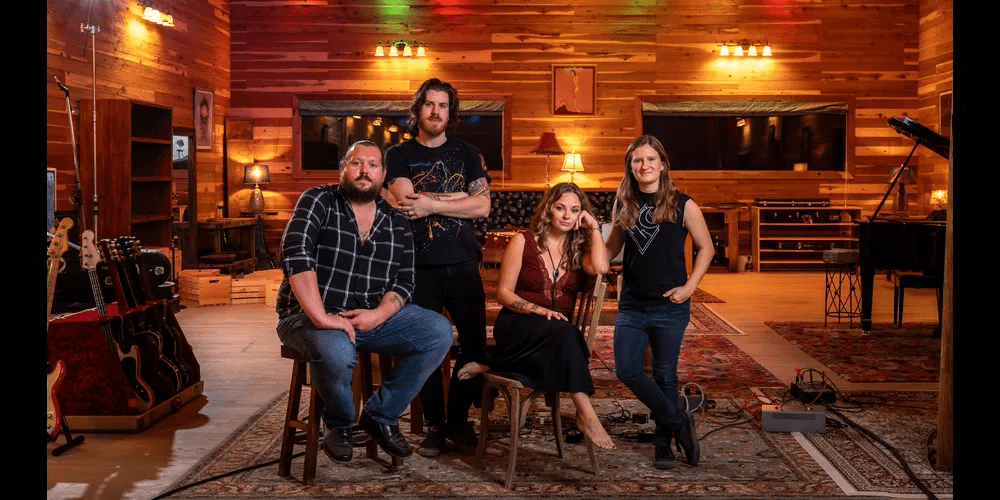
What distinguishes the composition is its patience. Where lesser bands might rush toward catharsis, Grosh understands the power of delayed gratification. The track builds methodically across its runtime, adding textural elements while maintaining its core emotional current—a simmering suspicion reflected in both title and tone. The instrumental breaks function as extended exhalations rather than mere showcases for technical prowess.
The production deserves special mention, capturing both warmth and clarity simultaneously. Recorded at Texas’ legendary Sonic Ranch, the track benefits from analog richness without sacrificing definition. Each instrument occupies its own sonic territory while contributing to the collective mood—particularly evident in how the bass lines provide countermelodies rather than simply anchoring the rhythm.
Particularly effective is how the vocals emerge from and retreat into the instrumentation, treating the human voice as another instrument in the ensemble rather than forcing it above the mix. This approach creates moments of vulnerability that reinforce the song’s thematic concerns around betrayal and caution.
For a band that’s earned recognition in their hometown (named “Best Local Original Music Act” by Buffalo Spree), “Don’t Trust Nobody” demonstrates ambitions that extend well beyond regional acclaim. The track suggests influences ranging from Steely Dan’s harmonic complexity to the midnight-hour intimacy of later Tom Waits, yet emerges as something distinctly their own.
This is music designed for that dangerous hour when night hasn’t yet surrendered to morning—when decisions made feel consequential and suspicions seem most justified.
 B-Side Guys
Leave a Reply