
As the final preamble to her much-anticipated debut album, Kylie Rothfield’s “Where The Diamonds Hide” arrives with the confident ease of an artist who knows exactly what statement she wants to make. Collaborating with Platinum-certified indie rockers The Rare Occasions, Rothfield has crafted a deceptively sunny rebuke to materialistic pursuits that expands her sonic palette in refreshingly unexpected directions.
The track’s opening imagery immediately establishes its thematic framework: “I was born as the water was rising/In the wake of the age we knew.” This apocalyptic birth narrative positions Rothfield as a voice emerging from generational transition, questioning inherited values rather than blindly accepting them. When she later declares “I don’t care where the diamonds hide,” it’s not dismissal but liberation—a conscious rejection of prescribed definitions of success.
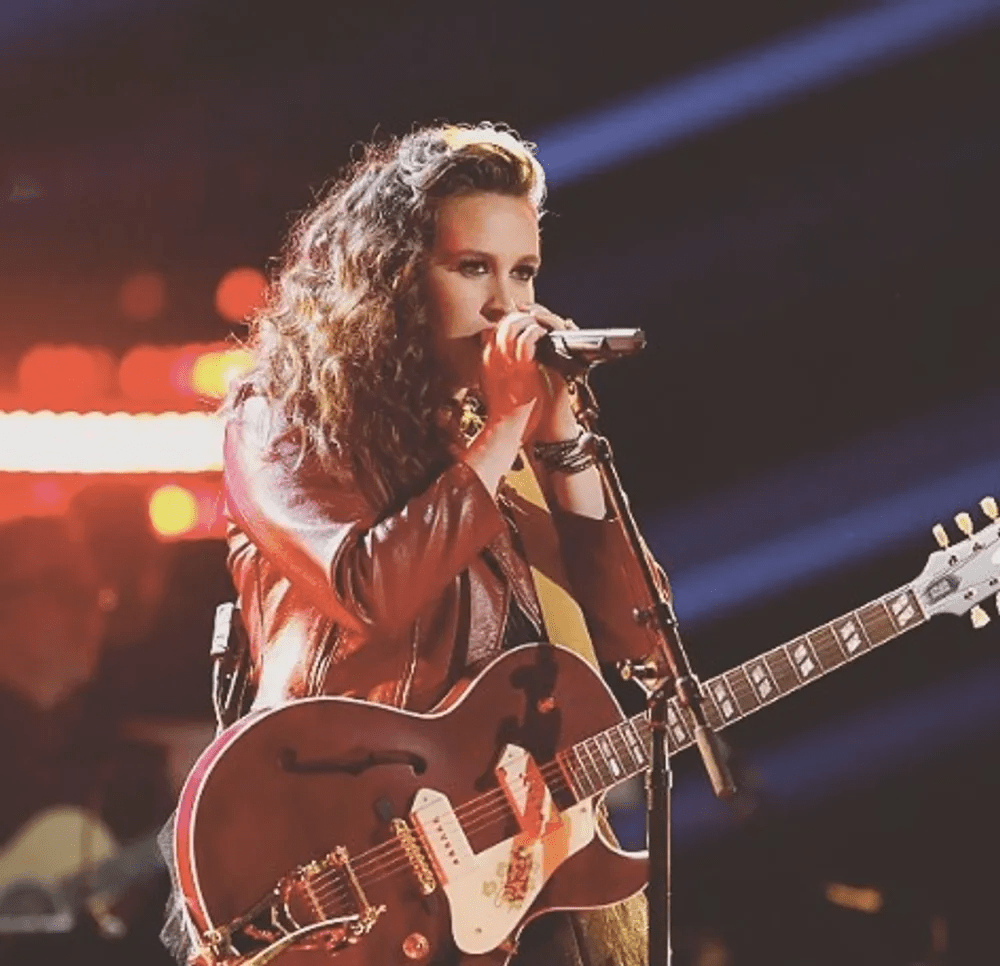
What makes this philosophical stance so effective is how the musical arrangement embodies the very freedom the lyrics celebrate. The production collaboration between Rothfield, The Rare Occasions, and Eric “Potz” Potapenko creates a layered soundscape that balances meticulous craft with unbridled joy. The decision to record live bass and drums at Clearlake Studios before adding cabinet-style guitars and synths in home studios captures both the professional polish and intimate authenticity that characterize the track’s emotional landscape.
The vocal interplay between Rothfield and Brian McLaughlin of The Rare Occasions provides one of the song’s most compelling elements. Her “soothing sultry vocals” create a contemplative foundation that McLaughlin’s contrasting timbre builds upon in the second verse, establishing a conversational quality that suggests collective questioning rather than individual manifesto. This dialogic approach extends to the anthemic stacked vocals in the chorus, where the repeated mantra of “Where the diamonds hide” transforms from question to declaration of independence.
Sonically, the track represents a significant departure from Rothfield’s previous singles, incorporating influences from The Killers and Two Door Cinema Club alongside subtle psychedelic rock elements. This expanded palette suggests an artist unwilling to be confined by genre expectations—a musical manifestation of the very theme the lyrics explore. The “punchy guitars” and “rich harmonies” create a deceptively upbeat framework for lyrics that challenge conventional wisdom about what constitutes value.
The production pedigree is undeniably impressive—with mixing by Robert Stevenson (Beach Weather) and mastering by Dave McNair (Beck)—but what’s most striking is how these technical elements serve the song’s emotional core rather than drawing attention to themselves. This restraint reflects Rothfield’s experience working with industry heavyweights like Alicia Keys, Ryan Tedder, and Esther Dean, synthesizing these influences without being overwhelmed by them.
“Where The Diamonds Hide” functions simultaneously as standalone statement and perfect album harbinger. The repeated question “Am I only waiting for the Moon/Always giving up when it’s too soon?” suggests an artist consciously avoiding premature artistic compromise, perhaps explaining why her debut album arrives with such well-developed vision. The tension between immediate gratification and lasting fulfillment permeates both lyrics and arrangement, creating a track that rewards surface enjoyment while inviting deeper contemplation.
As the final single before Rothfield’s debut album “Lover Like That” drops on May 9, “Where The Diamonds Hide” accomplishes the difficult feat of satisfying immediate cravings while stimulating appetite for more. By questioning where true value lies—in material wealth or in “nature, relationships, and self-love”—Rothfield has created something genuinely valuable: music that entertains while quietly dismantling the very metrics by which we’re conditioned to measure success.
 B-Side Guys
Leave a Reply