
Between the fluorescent flicker of New Noise Studios and the stark clarity of hindsight, DC’s Tired All the Time tears into late-stage capitalism’s psychological wreckage. Their live rendition of “Regrets,” captured just days ago, transforms economic critique into visceral post-punk catharsis.
The track opens with a devastating observation: “There is so much in this new world you would undo / Uncommon sense and kilobytes that got us to the moon.” It’s a perfect encapsulation of TATT’s ability to blend technological progress with personal regression, their trademark blend of noise rock and neo-psychedelia serving as the perfect vehicle for exploring sociogenic anxiety.
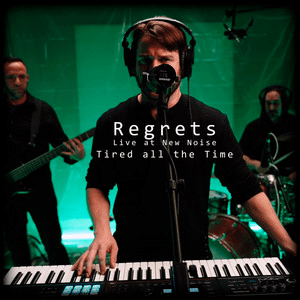
What makes this live version particularly potent is how it captures the band’s raw energy while maintaining the clinical precision suggested by their pharmaceutical-industry aesthetic. When they spit “No ones coming to get you now but in your heart you wish they would,” it lands like a diagnosis of collective paranoia.
The song’s architectural imagery – “Parked outside a new strip mall and taking in the gloom” – provides concrete anchors for its abstract exploration of post-New Deal economics. But it’s in lines like “There’s no going back to your hometown because time just goes one way” where TATT transcends mere political commentary, touching something more fundamentally human.
This performance, part of their New Noise session series previewing their upcoming LP, demonstrates why they’ve shared stages with acts like FEEDER and Faith No More’s Roddy Bottom. Their “dystopian pop-punk” (as Tiny Mixed Tapes aptly dubbed it) hits hardest when connecting personal displacement to broader social shifts. The repeated phrase “And if you turn back time you will just make the same mistakes” serves not as resignation but recognition – perhaps the first step toward whatever comes after regret.
 B-Side Guys
Leave a Reply