
Some songs carry their history in every note, and Lindsay White’s “Time Machine” wears its heart on its musical sleeve, right down to the verse progression built from her late ex-husband’s initials, B.E. It’s these kinds of intimate details that transform personal grief into universal resonance, creating a folk ballad that serves as both memorial and meditation on the impossibility of perfect timing.
The collaborative production approach mirrors the song’s themes of connection and distance. Recorded between Rachel Hall’s apartment and Alex Dausch’s Studio Studios in San Diego, with Jules Stewart adding remote percussion, the track maintains the warmth of a living room session while achieving professional polish. Hall’s keys and bass provide gentle support for White’s guitar work and vocals, while Dausch’s “production sorcery” adds subtle layers that enhance rather than obscure the song’s emotional core.
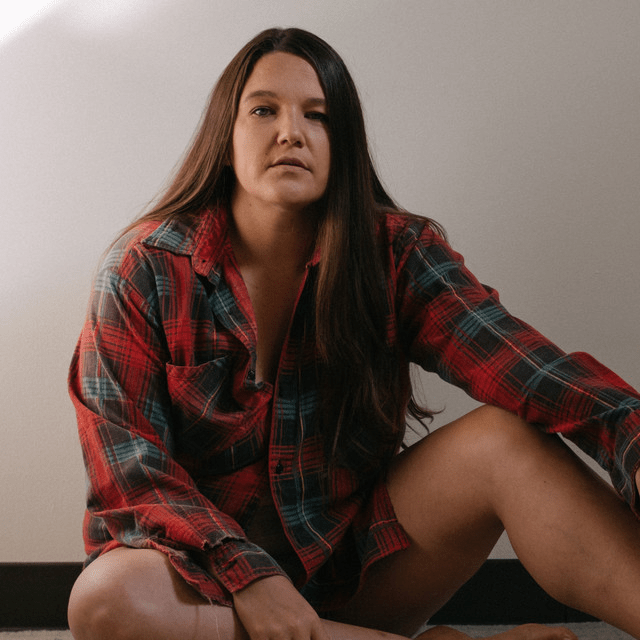
White’s lyrics navigate the complex territory of queer identity and lost opportunity with remarkable grace: “if i could have put it all together / then i would have, i would have done it better.” The specificity of memory – spring 2005, wine-drunk lovers under covers – creates vivid snapshots that make the song’s larger themes of regret and acceptance feel tangibly real rather than abstractly philosophical.
The arrangement breathes with the natural cadence of remembrance, building and receding like waves of memory. That last-minute MIDI addition White couldn’t get out of her head becomes another ghost in the machine, haunting the edges of the mix like a half-remembered detail from a cherished moment.
“Time Machine” succeeds because it understands that the best tribute songs don’t try to resolve grief’s complexities. Instead, White creates space for multiple truths to coexist: the scarlet letter of unavoidable hurt, the genuine love that existed, and the hope that somewhere, somehow, both parties can find rest.
 B-Side Guys
Leave a Reply