
Star Kendrick wrote “The Child” at six months pregnant, confronting two versions of childhood at once – her own fractured past and the future growing inside her. This tension between memory and possibility drives Geowulf’s first solo album, where Kendrick steps away from her previous band format to examine motherhood’s transformative precipice.
“Dreaming” opens with a fundamental question: “If I could let myself dream / Would anybody stop me?” It’s both challenge and confession, wrestling with how parenthood might reshape artistic ambition. The repetition in these lines mirrors the circular nature of such pre-maternal anxiety, each iteration pressing harder against invisible constraints.
By “Stay Baby,” Kendrick inhabits her own mother’s perspective, imagining her wearing purple “like a mum to be” while hoping for stability that never arrived. The song’s plea for someone to “stay” carries multiple meanings – a mother begging a partner to remain, a child wishing for presence, an artist trying to hold onto her creative self amid transformation. Through this generational lens, Kendrick examines how patterns of absence and presence shape both parent and child.
“Beer to Bed (Time to Kill)” initially seems to break from the album’s maternal themes, depicting casual romance with vivid details like the scent of cigarettes and a “pretty dress.” Yet even here, Kendrick explores how relationships evolve from performance (“pretending that it’s more”) to unexpected vulnerability (“I catch you crying in the morning”). These shifting dynamics echo throughout the record’s exploration of changing identities.
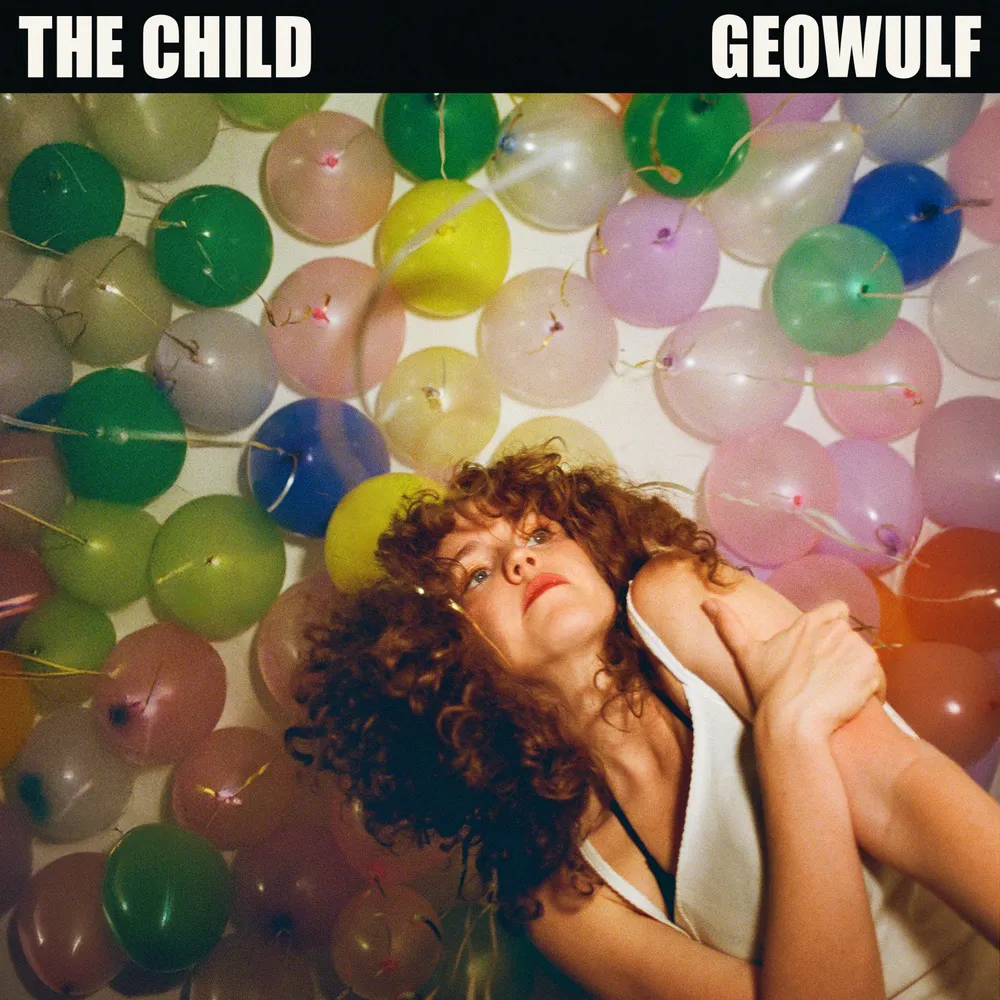
The album’s title track crystallizes its central concerns. “Didn’t know that I was naked / Couldn’t feel / My body shaking” opens with physical dissociation before building to the revelation that “love could look so different / If it wasn’t scaring you.” Here Kendrick acknowledges how childhood experiences shape our capacity for connection, while suggesting that awareness might allow new patterns to emerge.
Across forty minutes, Kendrick repeatedly examines moments of transition – from lover to mother, from daughter to parent, from band member to solo artist. “Memory Serves Like Lightning” and “Can’t Read Your Mind” probe the gaps between what we remember and what we understand, while “Angry” confronts the inheritance of emotion between generations.
On “Nightmare” and “Hungry For My Heart,” Kendrick pushes beyond narrative into raw emotional territory, examining how desire and fear tangle together in both childhood and parenthood. These later tracks suggest that growth doesn’t mean transcending our histories but learning to carry them differently.
Where Geowulf’s previous albums dressed relationship narratives in dreampop aesthetics, “The Child” strips away distance. Kendrick’s production choices emphasize immediacy, allowing space for both delicate observation and forceful declaration. This musical directness matches the material’s emotional stakes.
“Something Good” serves as the album’s fulcrum, bridging past wounds and future possibilities. Rather than offering easy resolution, it acknowledges how healing and hurt can occupy the same space. This complexity extends through “Unsay It All,” where Kendrick examines the impossibility of fully separating from our histories.
“The Child” marks more than Kendrick’s transition to solo work – it documents an artist actively questioning how creativity and caregiving might coexist. Through precise observation and unflinching self-examination, she maps the territory between who we’ve been and who we might become. The album suggests that maybe the answer isn’t choosing between dreams but learning to hold multiple truths at once: artist and mother, wounded and healing, past and future selves existing in perpetual conversation.
 B-Side Guys
Leave a Reply