
When roger weeks draws a parallel between their life and an unnamed film “better than Aftersun” in “The Kid Who Made It,” they’re doing more than name-dropping – they’re establishing the cinematic scope of personal tragedy. This latest single from the Los Angeles-based songwriter transforms intimate wounds into widescreen storytelling, proving that sometimes the most universal stories are the ones that feel almost too personal to tell.
The production walks a delicate line between indie folk intimacy and pop accessibility, with acoustic foundations that support rather than overshadow weeks’ confessional lyrics. It’s in this space between genres that the track finds its strength, allowing the narrative to breathe while maintaining the emotional punch of a well-crafted pop song.
The songwriter’s New Hampshire roots peek through in the organic quality of the arrangement, even as the Los Angeles polish adds a subtle sheen to the proceedings. This duality serves the material well, particularly in lines like “I tend to avoid the hard stuff/And dance around the park and in the sun,” where the tension between escape and confrontation becomes palpable.
weeks’ lyrics demonstrate a remarkable gift for specific detail, transforming personal history into something approaching modern folklore. The image of a father leaving “in his Silverado, all ’cause of the bottle” isn’t just biographical detail – it’s American mythology rendered in miniature. The reference to Paul Mescal in the bridge further blurs the line between lived experience and cultural narrative, suggesting how we process our own stories through the lens of media.
The song’s structure mirrors its thematic concern with processing trauma, building from intimate verses to a chorus that feels like hard-won declaration. When weeks proclaims “I am the gay kid, overweight kid/The kid who made it,” it lands with the impact of someone claiming their own narrative after years of having it written for them.
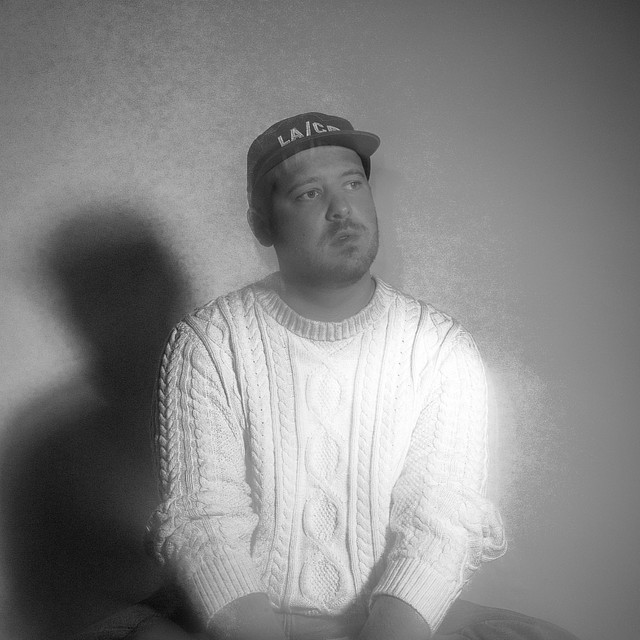
The bridge section (“It’s like my tragedy is out/In theaters nationwide”) provides a meta-commentary on the performative aspect of processing pain through art. It’s a risky move that pays off through its sheer authenticity, acknowledging the strange reality of turning personal tragedy into public consumption while never losing sight of the very real emotions at its core.
What’s particularly striking is how weeks manages to maintain vulnerability while wielding it as a source of strength. The reference to “a white claw, a boy, a hand, a blanket” creates a moment of tenderness that contrasts beautifully with the heavier themes, suggesting healing doesn’t always require gravity.
The production choices throughout support this duality, with the acoustic elements grounding the track while more contemporary pop touches (particularly in the backing vocals during the hook) provide lift. It’s a balance that recalls Kacey Musgraves’ more introspective moments while maintaining weeks’ distinct perspective.
“The Kid Who Made It” succeeds not just as a personal statement but as a testament to the power of turning one’s story into art. weeks has managed to craft something that feels both intensely specific and universally relatable, suggesting that sometimes the best way to process our own narratives is to project them onto the biggest screen possible.
 B-Side Guys
Leave a Reply